Writing with Purpose
Where It Starts
Writing has always been one of my favorite things to teach. Many of our students already have writing programs they use at home, so at LJ Campus, I focus on giving them frequent opportunities to use those skills in meaningful ways. We write often, learn from strong examples, and work on grammar, mechanics and organization through the writing already in front of us. There is research behind this approach but it also reflects what I value as both an educator and a mom. I want students to learn how to communicate clearly and I want them to enjoy putting their ideas on paper. So our writing is student-driven within a clear structure. They have room to decide what they want to write while I teach them how to do it well.
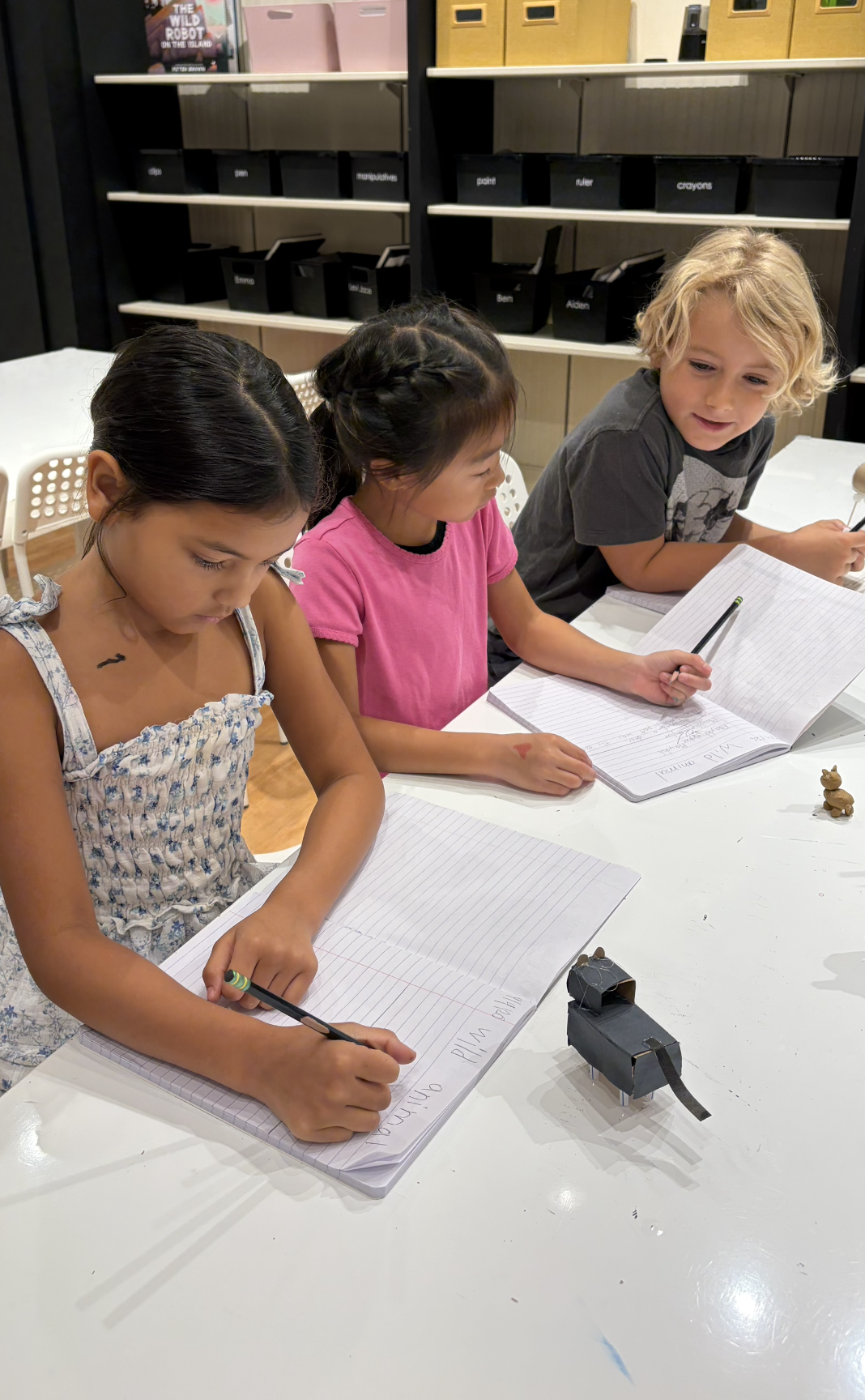
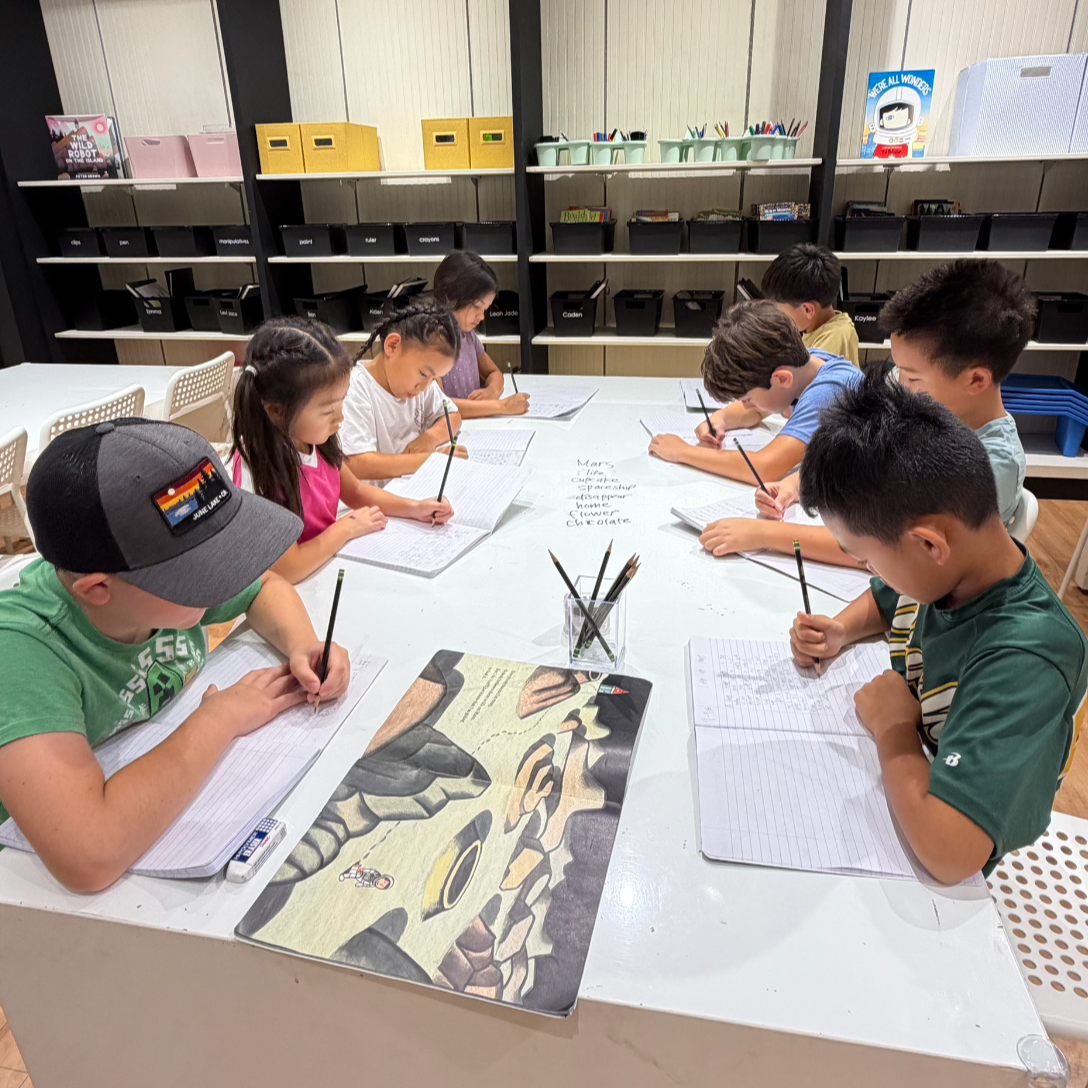
Writing to Create and Revise
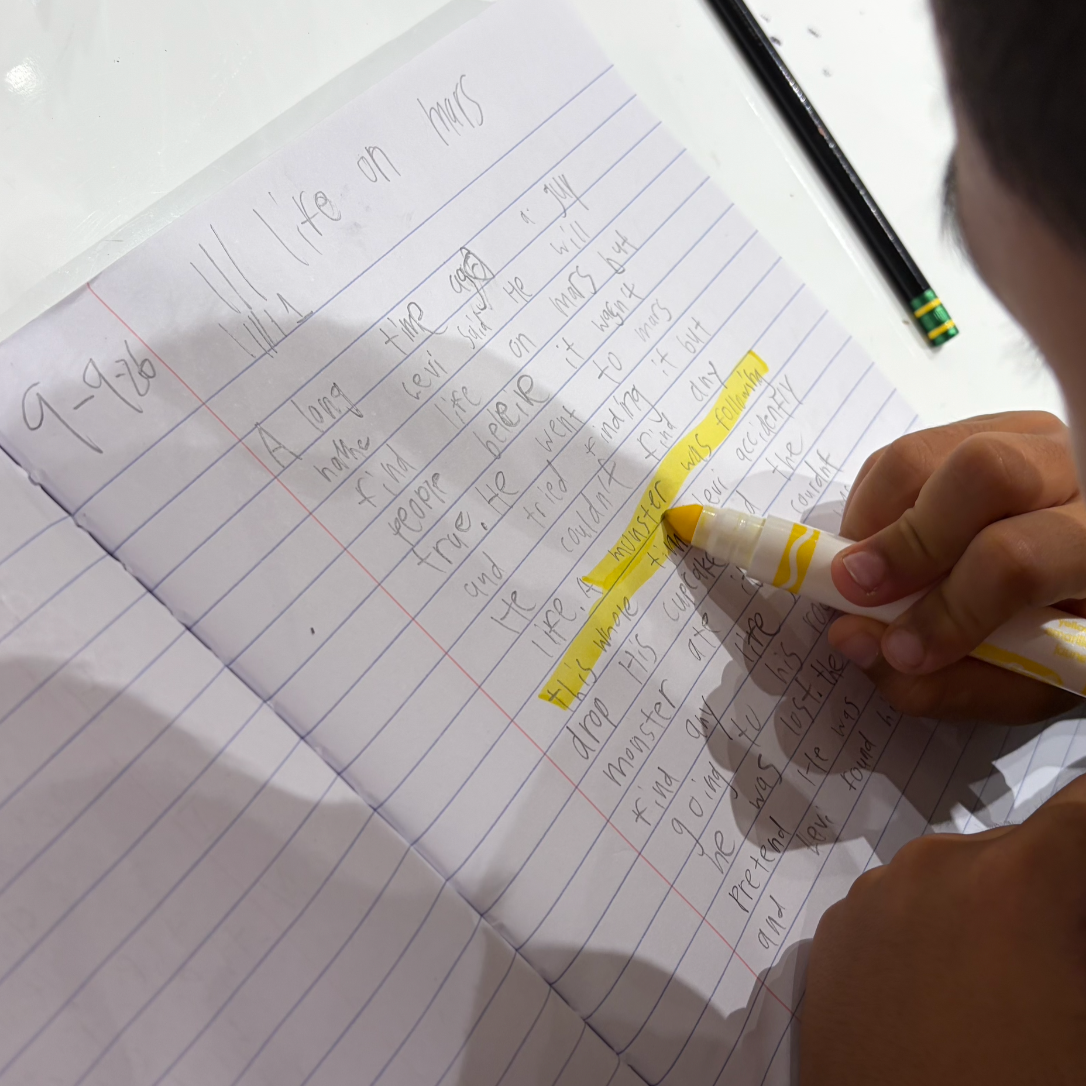
We do something called Writing Stamina. I start by reading the kids a book, pausing to notice strong sentences, interesting word choices, and patterns they might try in their own writing. When we finish, we choose a handful of important words from the story, which also gives me a quick check of reading comprehension. Then I set a timer for five minutes and they write. They can continue the story, change it or take the story in a completely different direction. The goal is to keep writing without stopping to worry about spelling, punctuation, or capitalization. For those five minutes, they're practicing developing an idea and getting it onto paper. When time is up, each child chooses one sentence for our sentence study. Together, we make it stronger by changing a word, adding detail, combining ideas, or correcting punctuation. This is where I teach grammar and mechanics through something they actually wrote. Separating these two parts is intentional. First they get the idea onto paper, then we come back and improve it. They learn that writing and editing don't always have to happen at the same time. They see good writing, create their own, and then learn how to make it better.
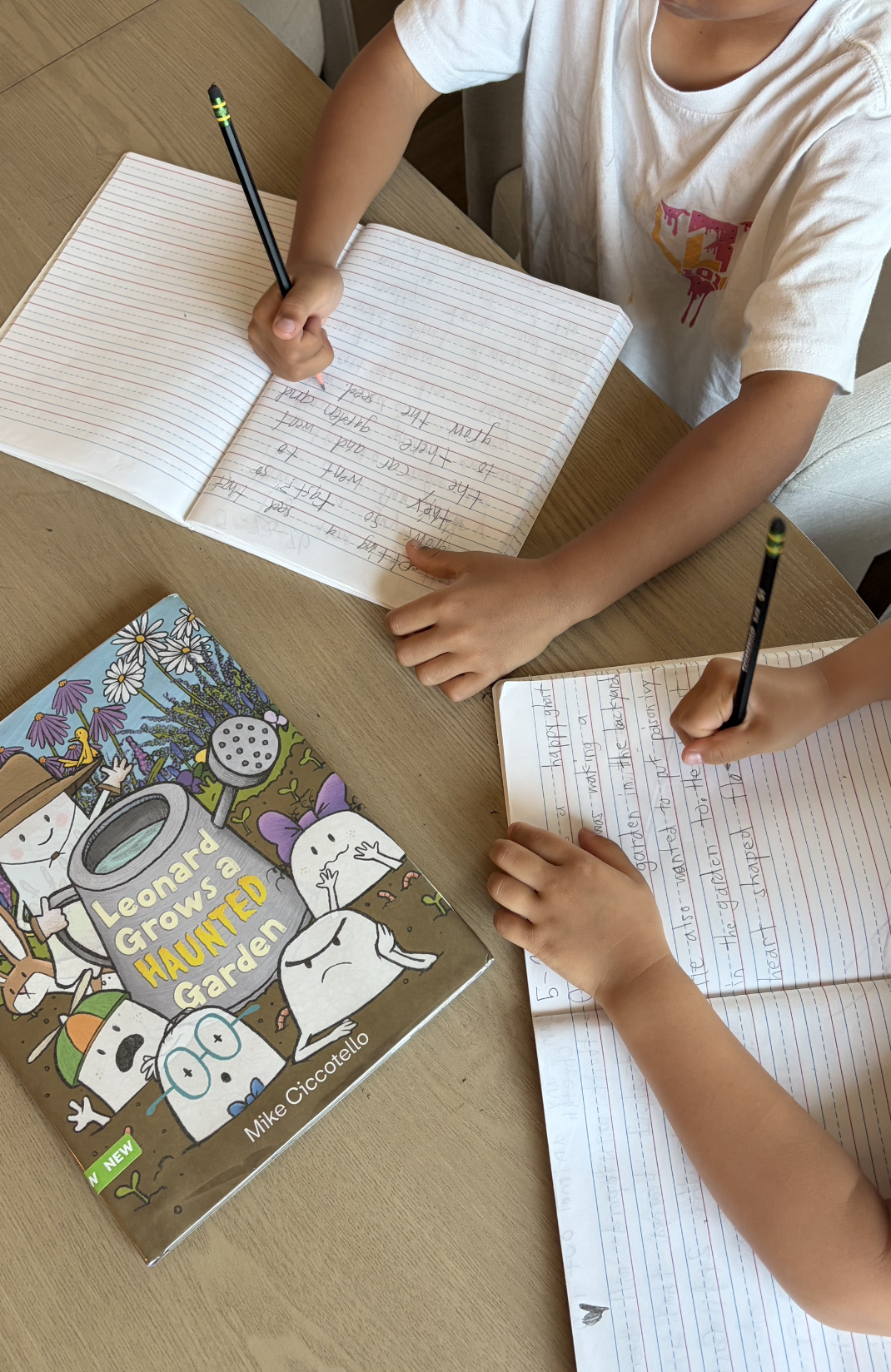
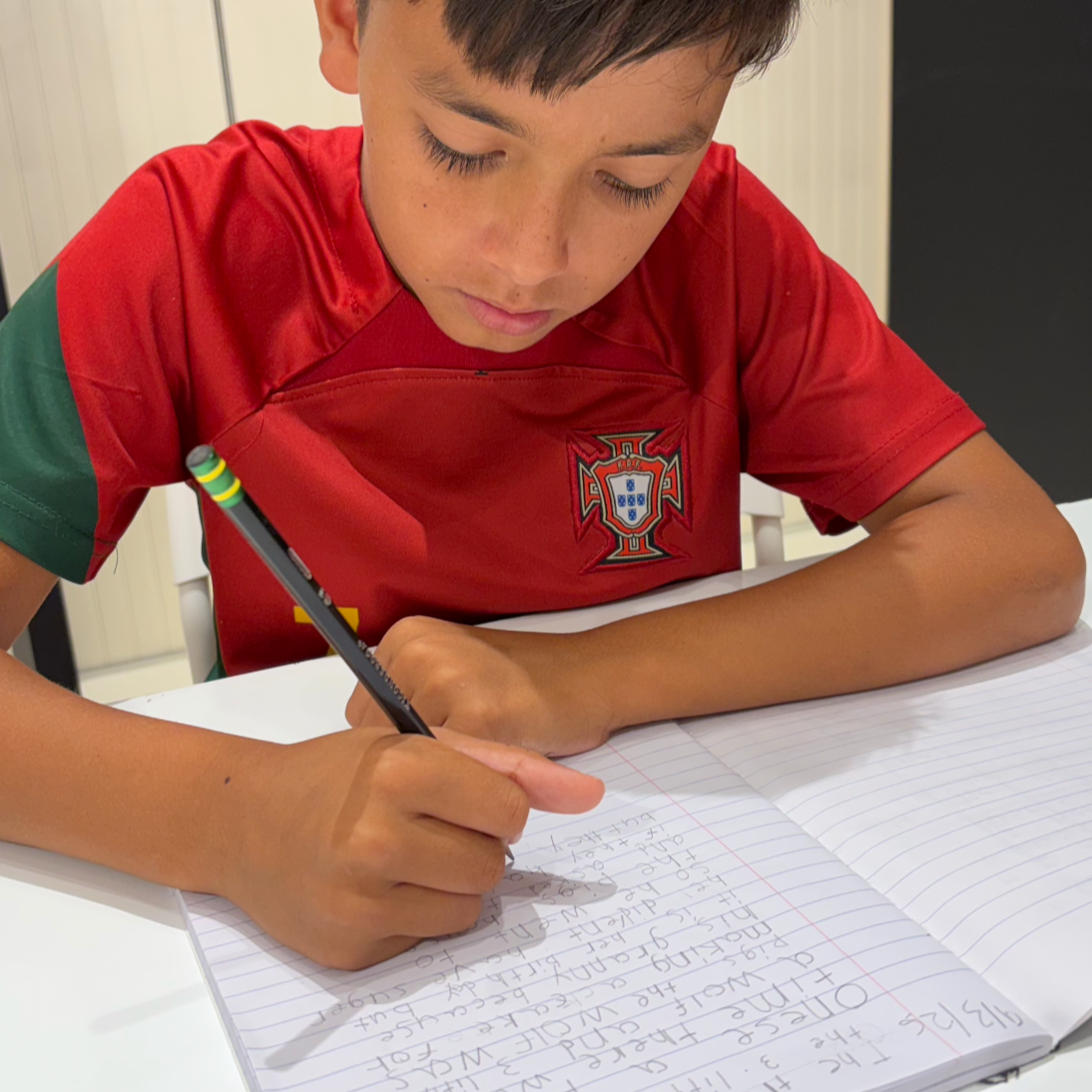
Writing to Retell
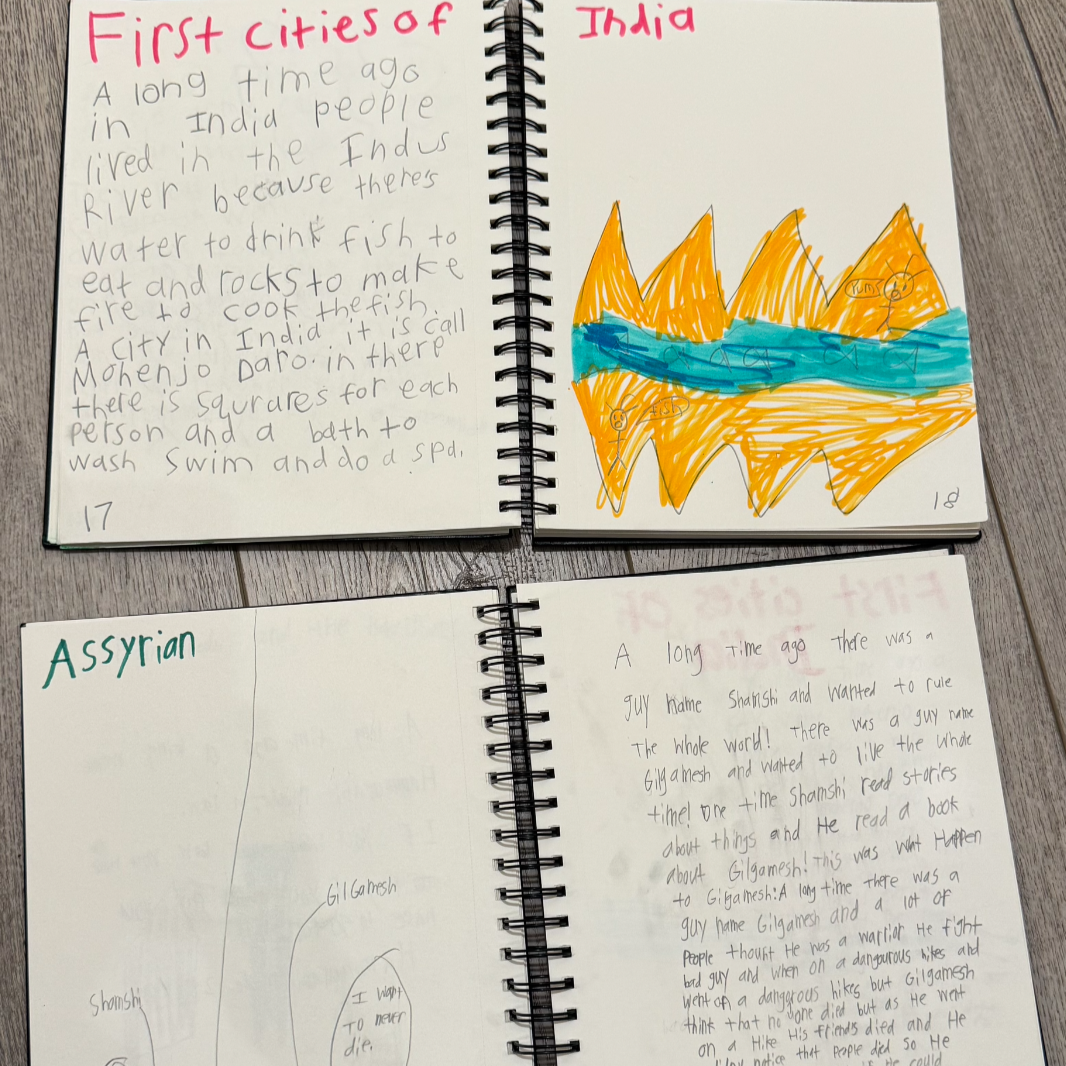
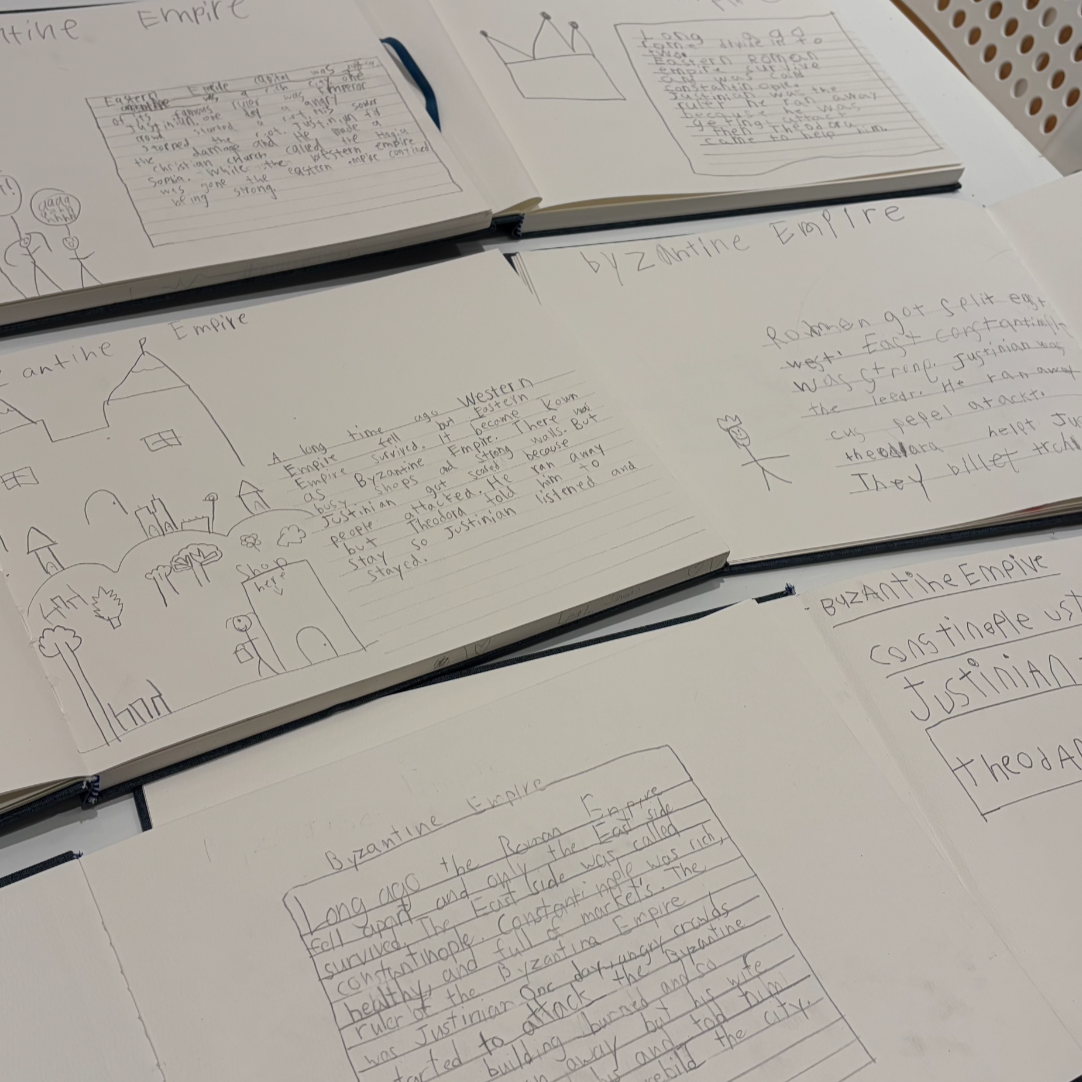
History gives students practice taking something they've heard, organizing it, and putting it back into their own words. I use Story of the World as a resource, pulling the key people, events, and ideas from each chapter into a short narrative that I tell the students. They listen first and then retell it to a partner. Before putting pencil to paper, they have already retrieved the information, sequenced events, and practiced expressing it in their own words. Finally, I provide several key terms to include, and they record the story in their history journals. Within one process, they are working on comprehension, sequencing, vocabulary, oral language, recall, and written expression. The history gives them something meaningful to write about as their job is to tell the story clearly.
Writing to Explain
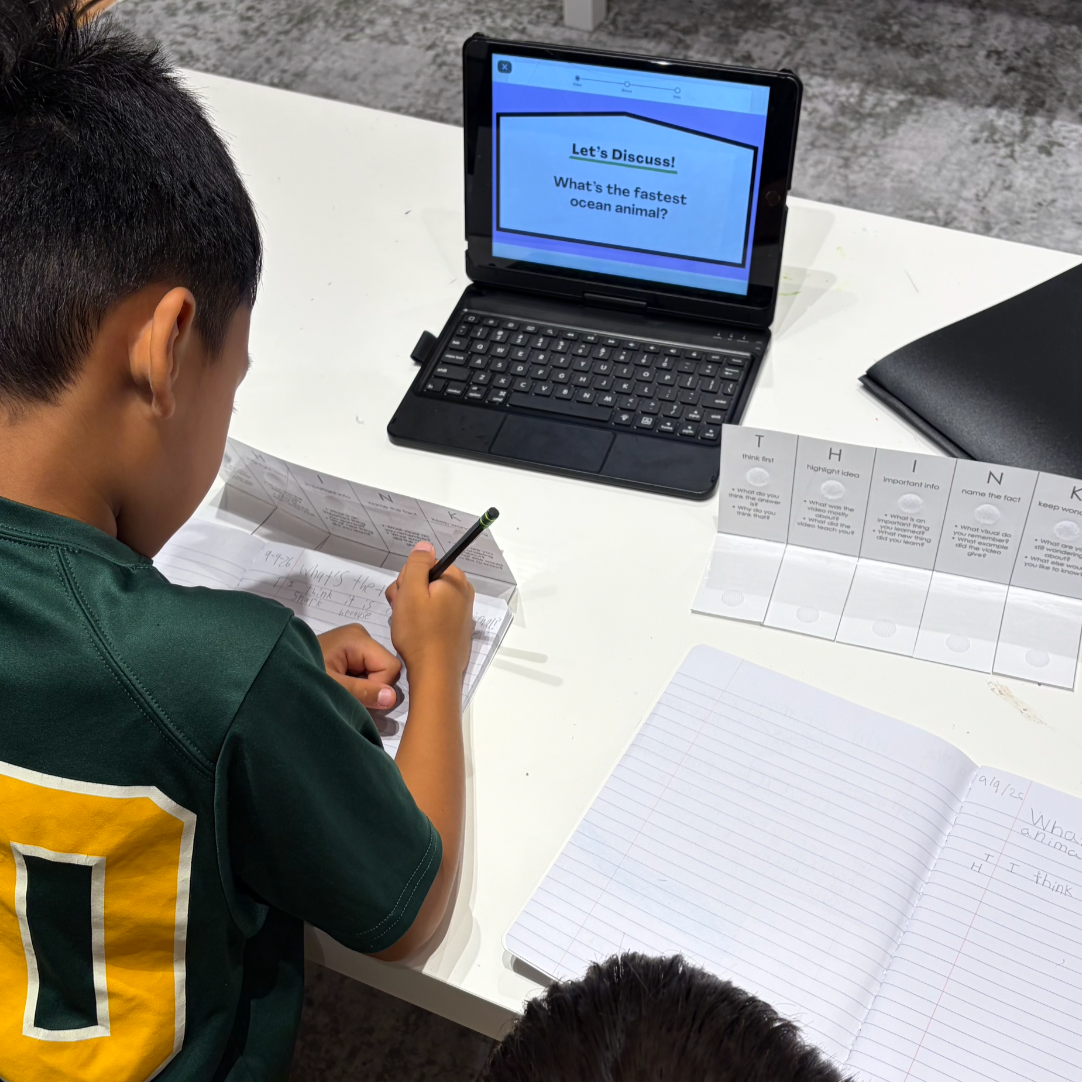
Science gives students a regular practice communicating information. I use Mystery Science as the content and students use a simple organizer to identify the main idea, supporting details, new information, and questions from what they learned. They then turn that thinking into a short written explanation. It may only be five sentences but those five sentences require them to determine what matters, recall details, use new vocabulary, organize their thinking, and communicate an idea clearly. The purpose of writing here changes. Instead of telling a story, they're learning to explain something so another person can understand it. The science gives them the content as their writing shows me what they understood.
Writing to Learn From Writers
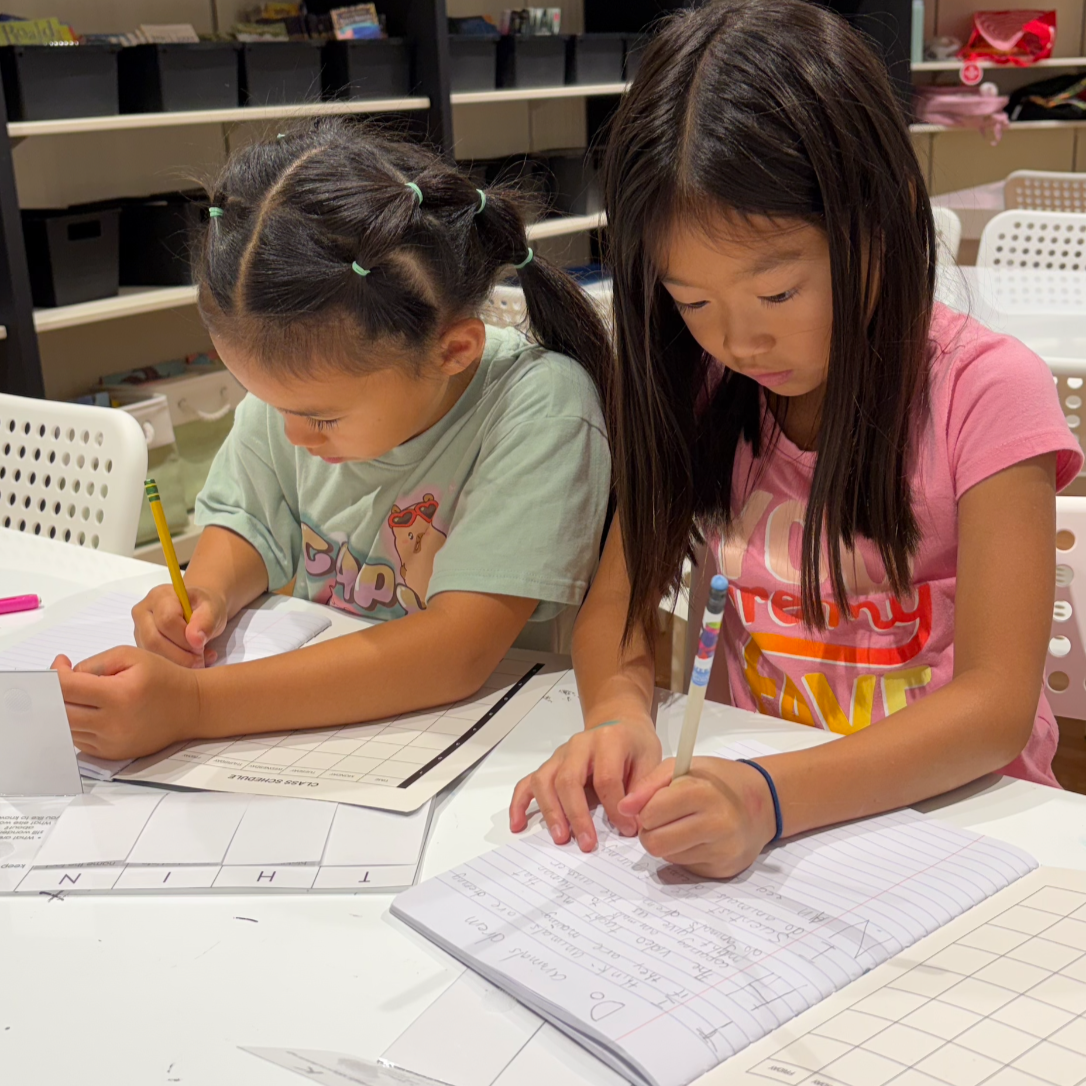
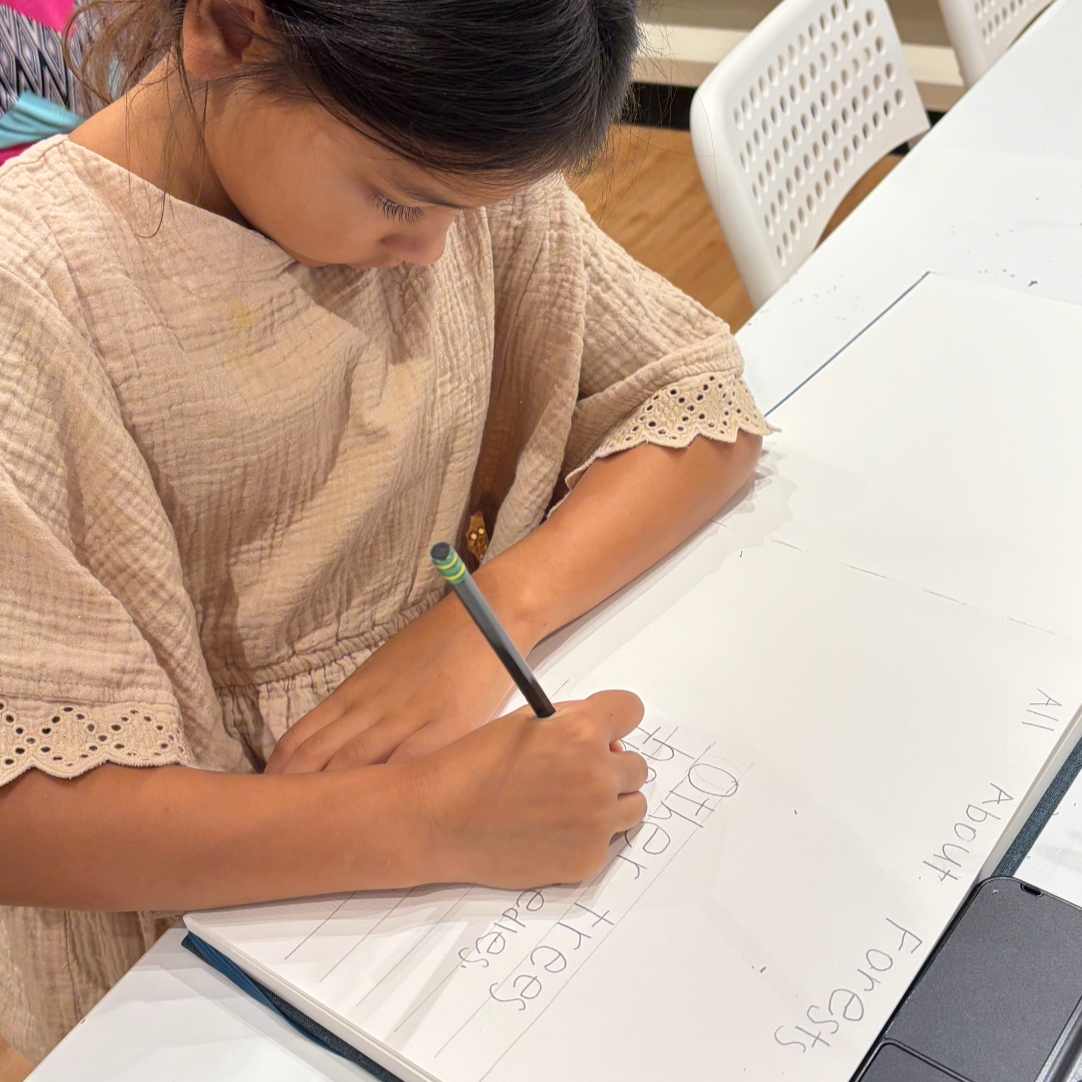
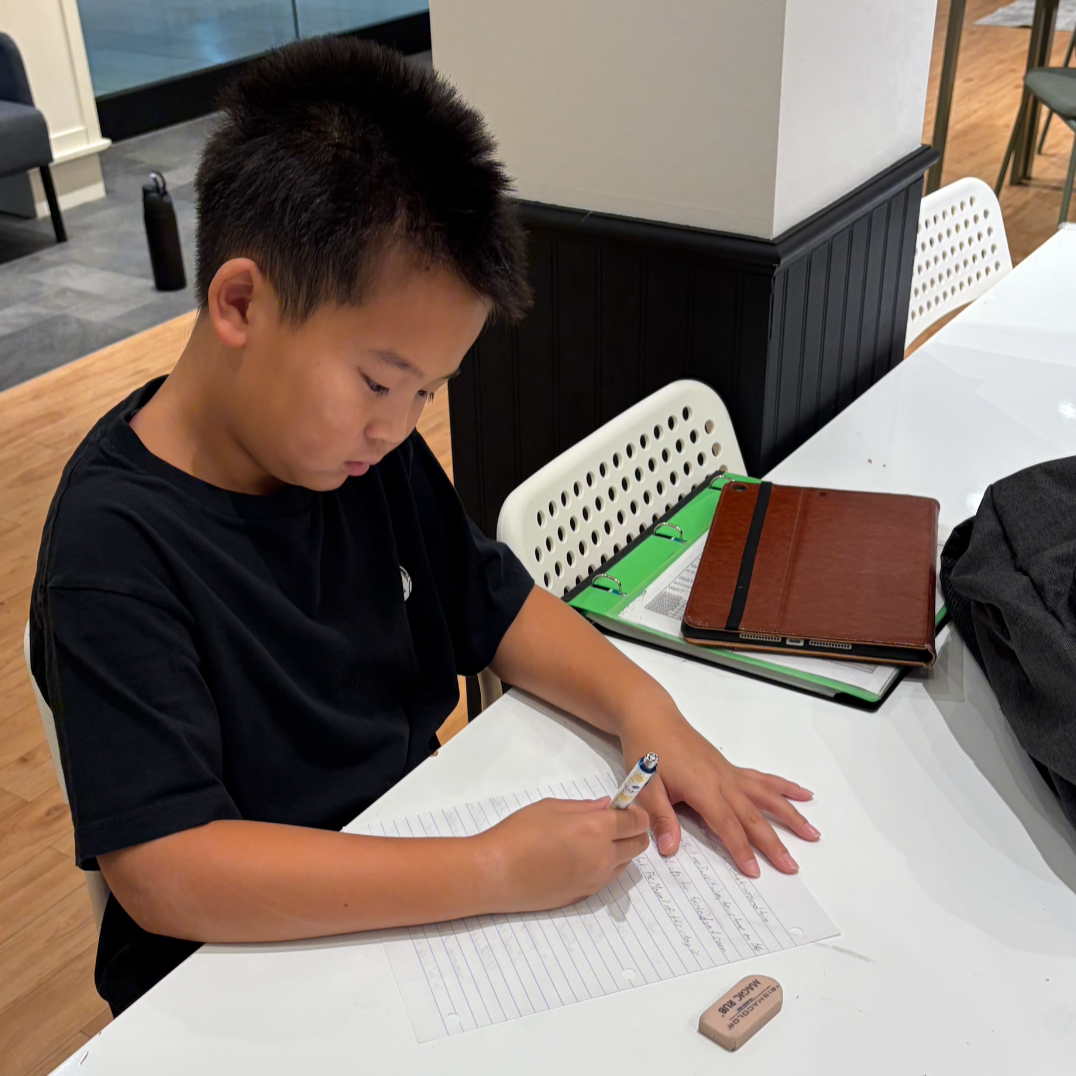
One of the simplest writing practices I use is copywork. Students choose a book that interests them and select the page or passage they want to copy. They reproduce it exactly as the author wrote it, the same words, spelling, capitalization, punctuation, and paragraph breaks. Then I help them look more closely. We notice how the author constructed a sentence, where punctuation appears, how dialogue is formatted, how paragraphs are organized, and which words make a passage effective. The goal isn't simply to copy correctly. It's to slow down long enough to notice how another writer put the words together. Over time, we take patterns they notice in published work and experiment with them in their own writing. Copywork gives students choice while giving me real examples I can use to teach them how writing works.
Where It Leads
There is a purpose behind each writing practices. Sometimes students write to develop an idea. Sometimes they write to explain what they learned, retell a story, or make one of their own sentences stronger. Even when they copy someone else's words, they're doing it to study how writing works. Along the way, I teach and track sentence structure, punctuation, grammar, vocabulary, organization, and revision, building from sentences to paragraphs and longer pieces as students are ready. I want writing to feel like a natural part of what we're already doing. The instruction is there, but it's woven into the books we're reading, the science we're discovering, the history we're learning, and the ideas the kids bring with them. There is always something to write about and a reason for writing it.
Next time you read a book with your child, find a sentence you like and play around with it. Change the noun, swap the verb, or add a detail. You can help them notice how writing works without turning it into another assignment.
-Cristina