More Than the Tools
We have a lot of technology available to students at LJ Campus but I never want the technology itself to be the point. I want students to understand what is available to them so that when they have an idea that matters, they have more ways to bring it to life. The tools themselves don’t really do much until there is a reason to use them. I think about this even more as technology and AI become a bigger part of their lives. Maybe the conversation isn’t only about how much technology students use, but what they are learning to do with it. I hope they learn to create more than consume and understand that the questions, choices, and purpose still belong to them.
The Purpose Comes First
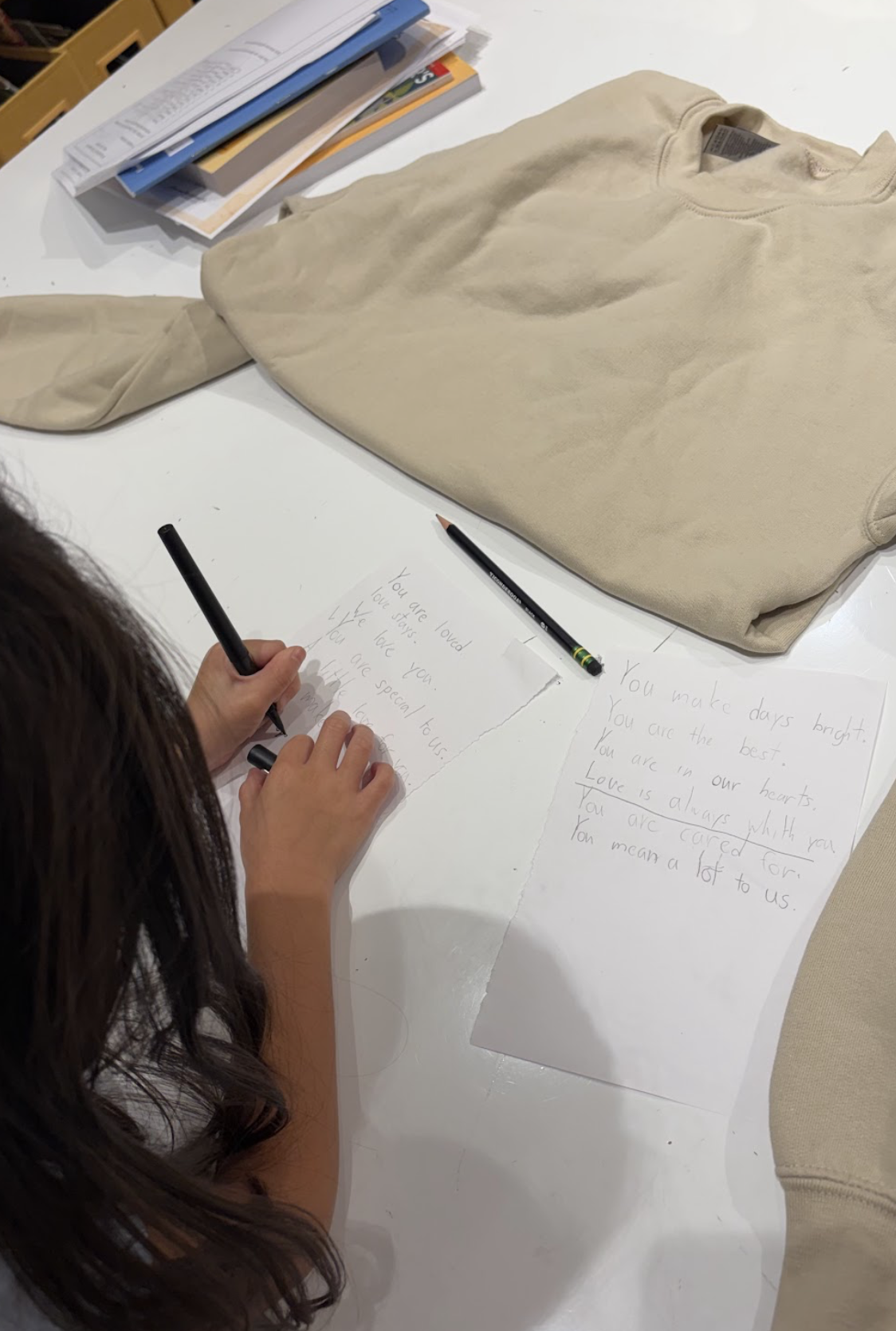
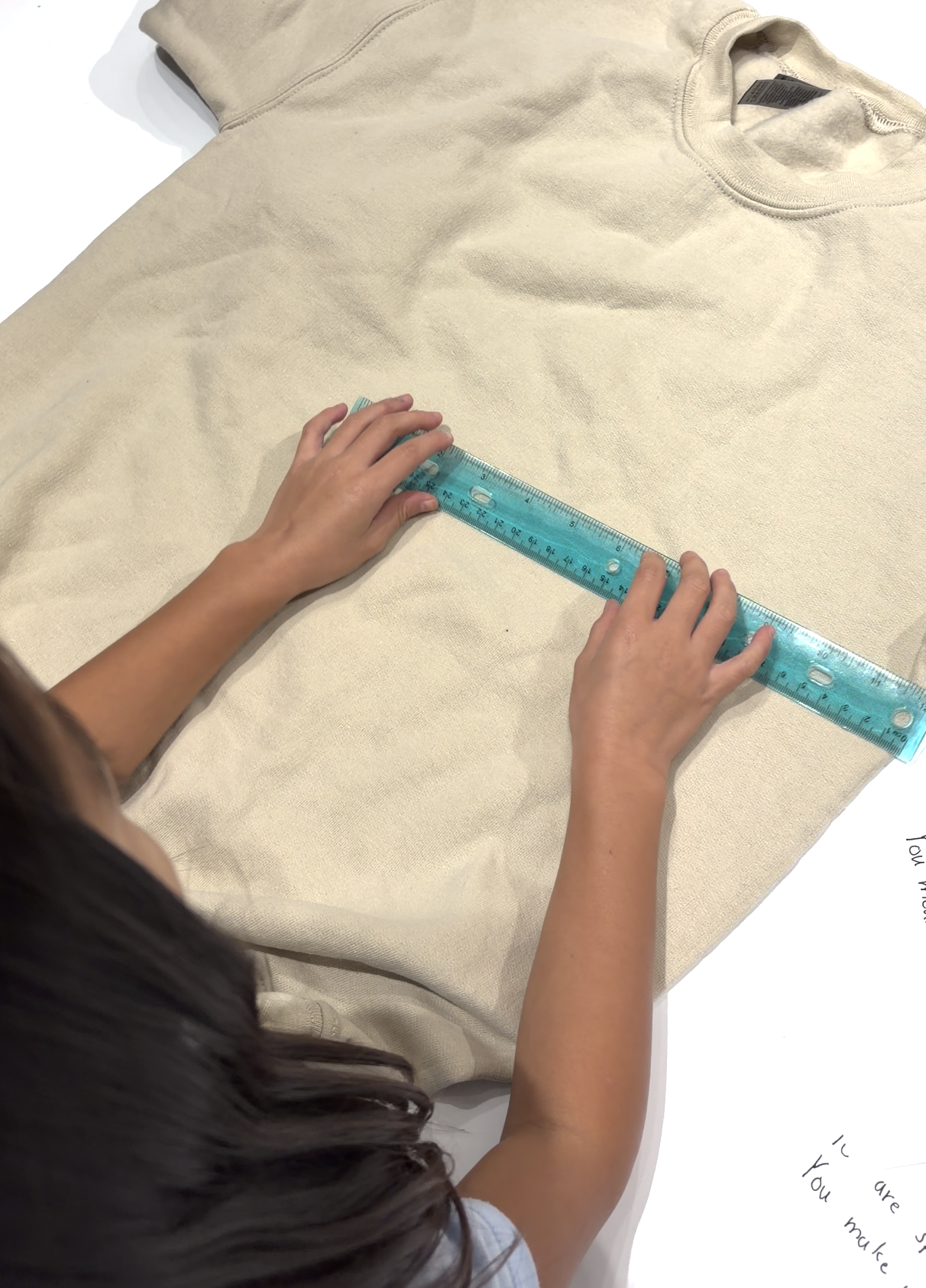
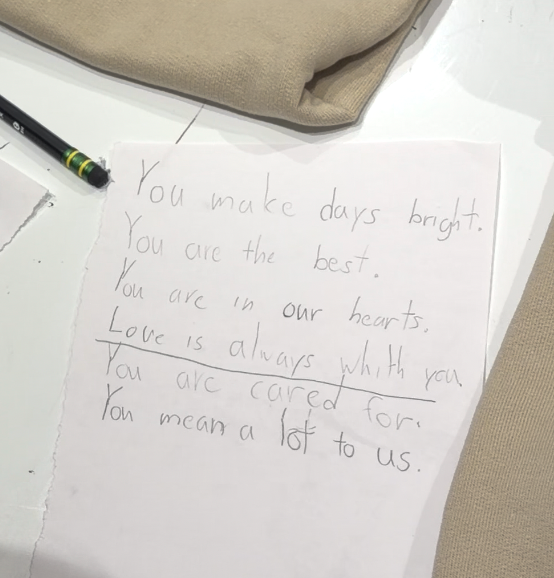
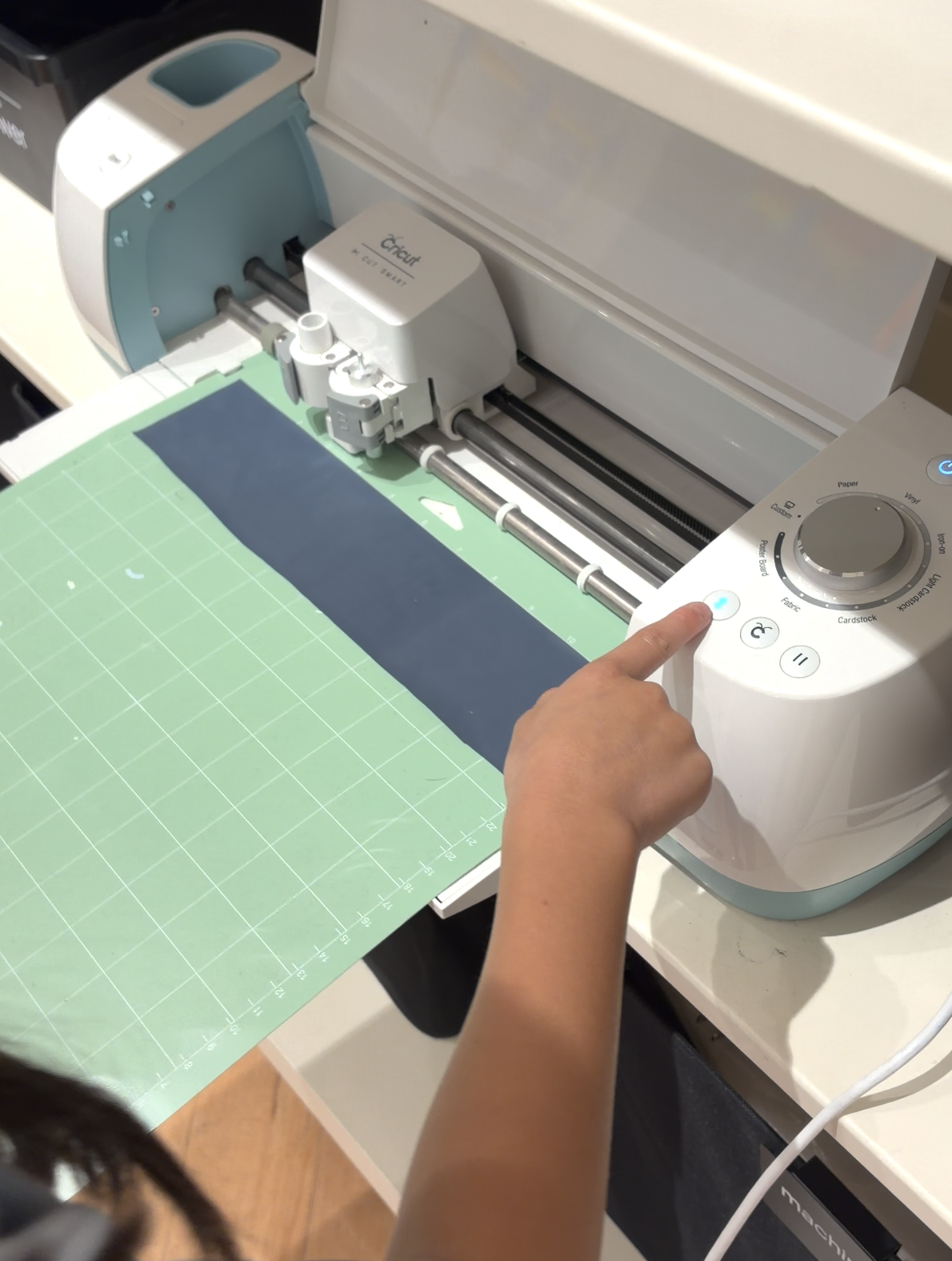
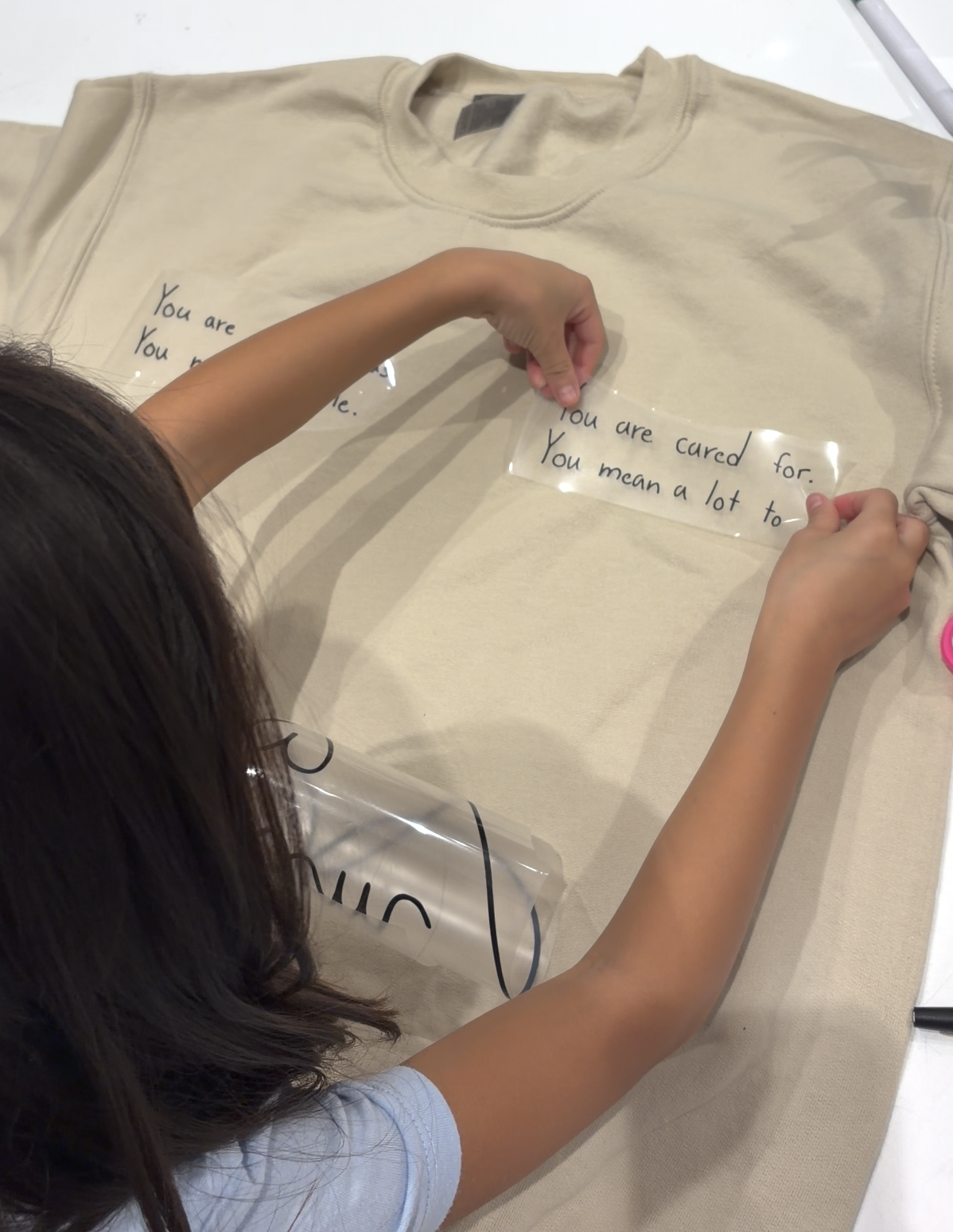
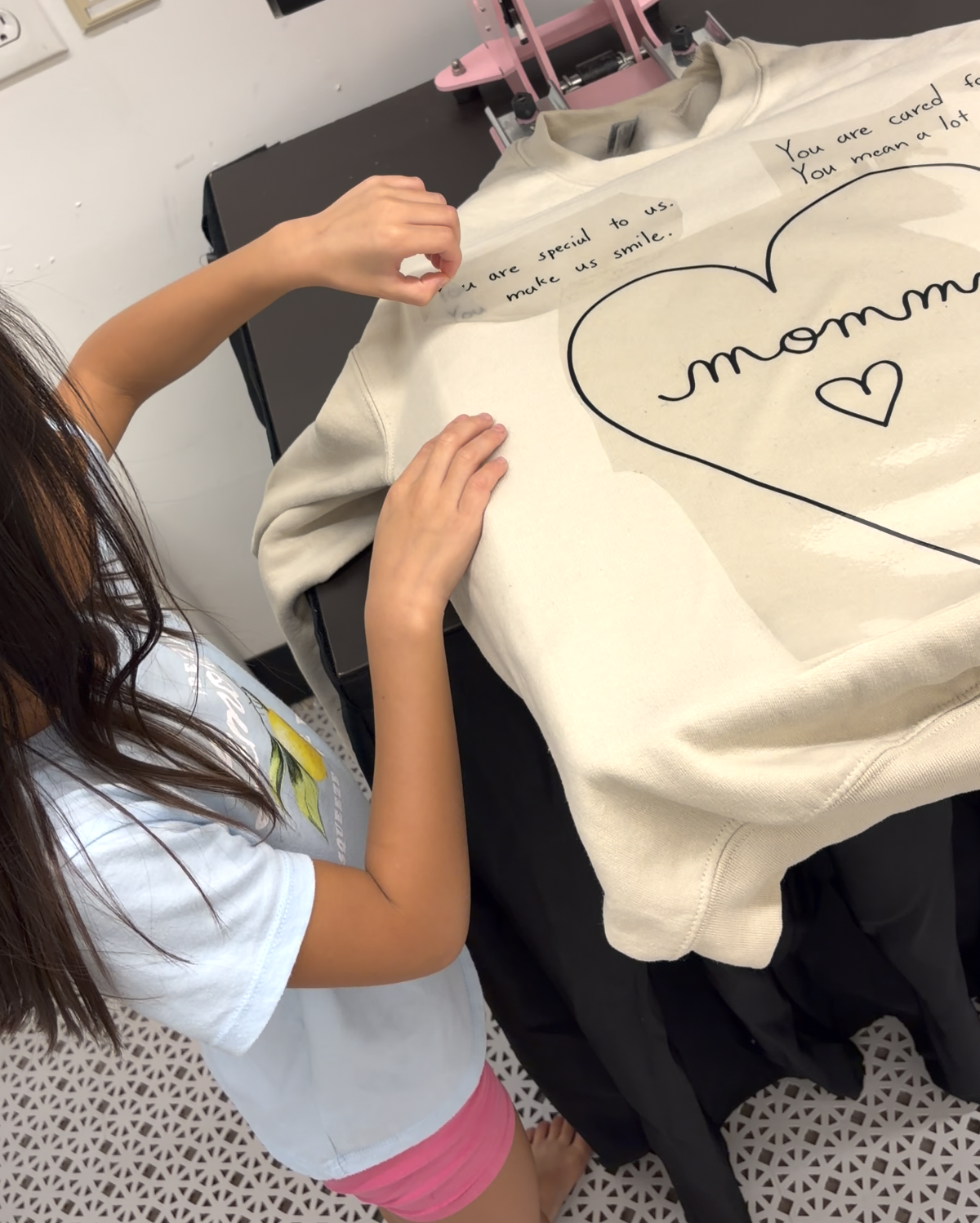
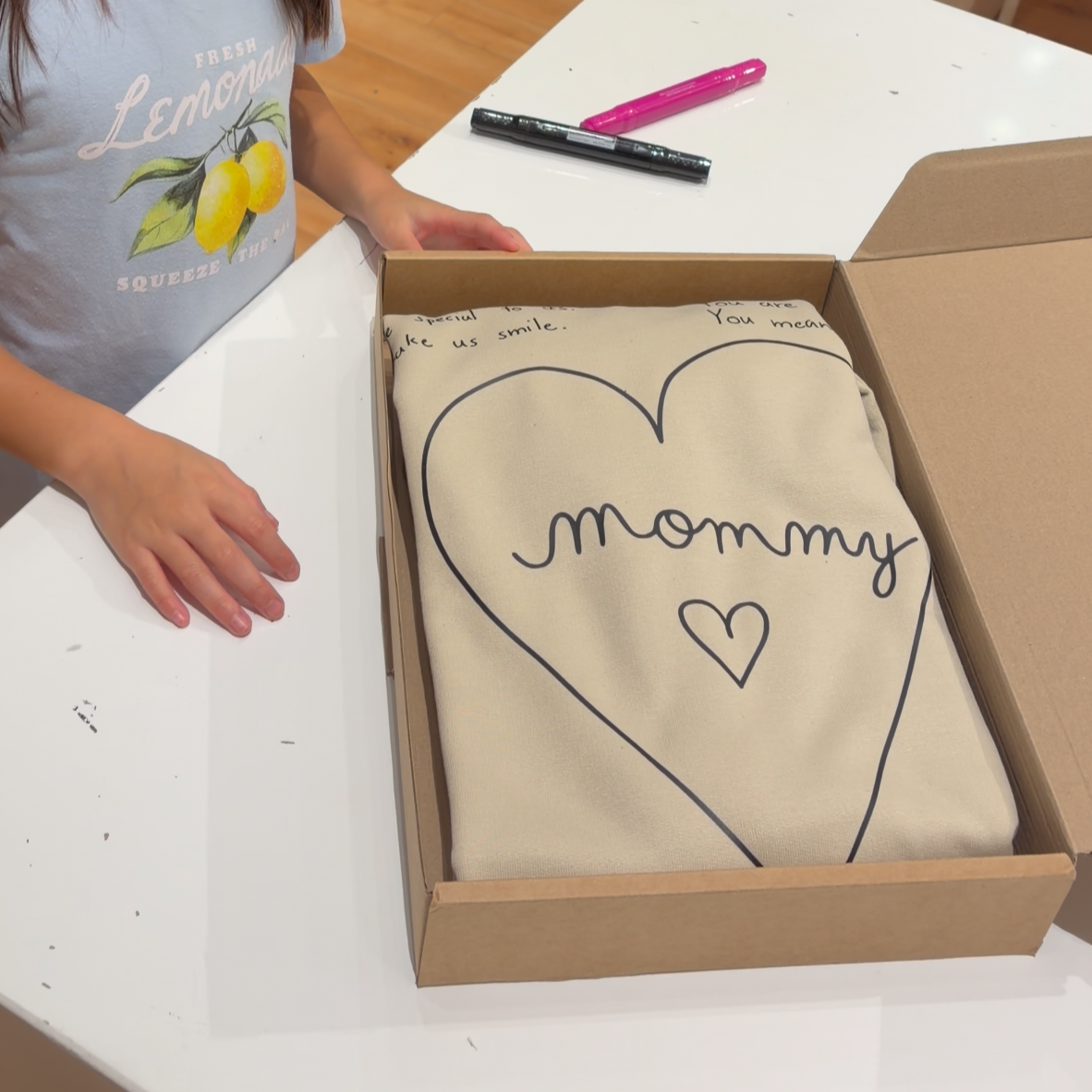
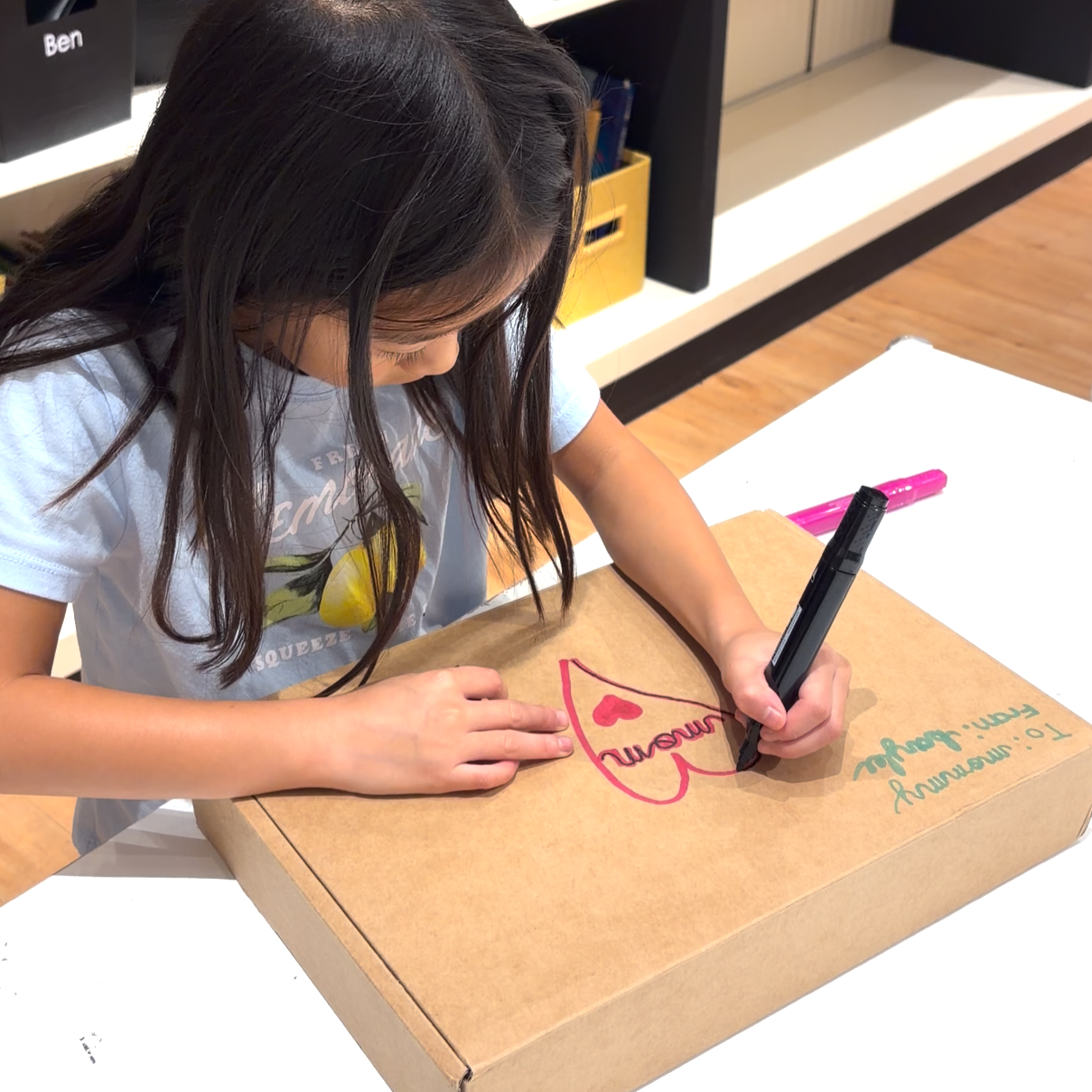
Recently, a student noticed her mom was going through a hard time and wanted to do something for her. We talked about how we can’t always change what someone is experiencing but we can think about what we can do. She decided she wanted to make something that would remind her mom she was loved. She chose a sweatshirt and wrote the messages she wanted her mom to have. From there, we turned her handwriting into a digital design she could cut with the Cricut. She worked through each step, from weeding and arranging the vinyl to pressing the final design onto the sweatshirt and packaging it to take home. The idea and the choices were hers. The Cricut wasn’t the activity. It was simply a tool she could use to turn her idea into something real.
The Ownership Stays
Giving students ownership doesn’t mean expecting them to figure everything out by themselves. I can teach the skills, provide structure, introduce new possibilities, ask questions, and step in when they need help. But little by little, I hope to give more of the thinking back to them. This sweatshirt reminded me of that. There was no assignment telling her what to make. There was simply someone she cared about, something she wanted to do for her, and something she had learned that could help her do it.
Technology will change. AI will change. What students use ten years from now may look completely different from what they use today. I don’t know exactly what that will look like but I hope what stays with them is knowing how to think, care, make decisions, and use what is available to them for something that matters. The tools will always change. What our students choose to do with them is the part I care about the most.
Next time your child notices a problem, ask what they think they could do about it. Let them come up with a solution, try it out, and make changes along the way. You can help them become natural problem solvers without always giving them the answer.
-Cristina