What if students learned to see problems as opportunities to create something better?
Project Invent challenged students to identify real problems in the world around them and use invention to solve them. Students began by noticing things that felt difficult, annoying, or simply could work better. After considering problems across different parts of everyday life, each student chose one problem they wanted to solve. This gave students a problem to define before beginning the design process, rather than starting with a product they already knew they wanted to make.
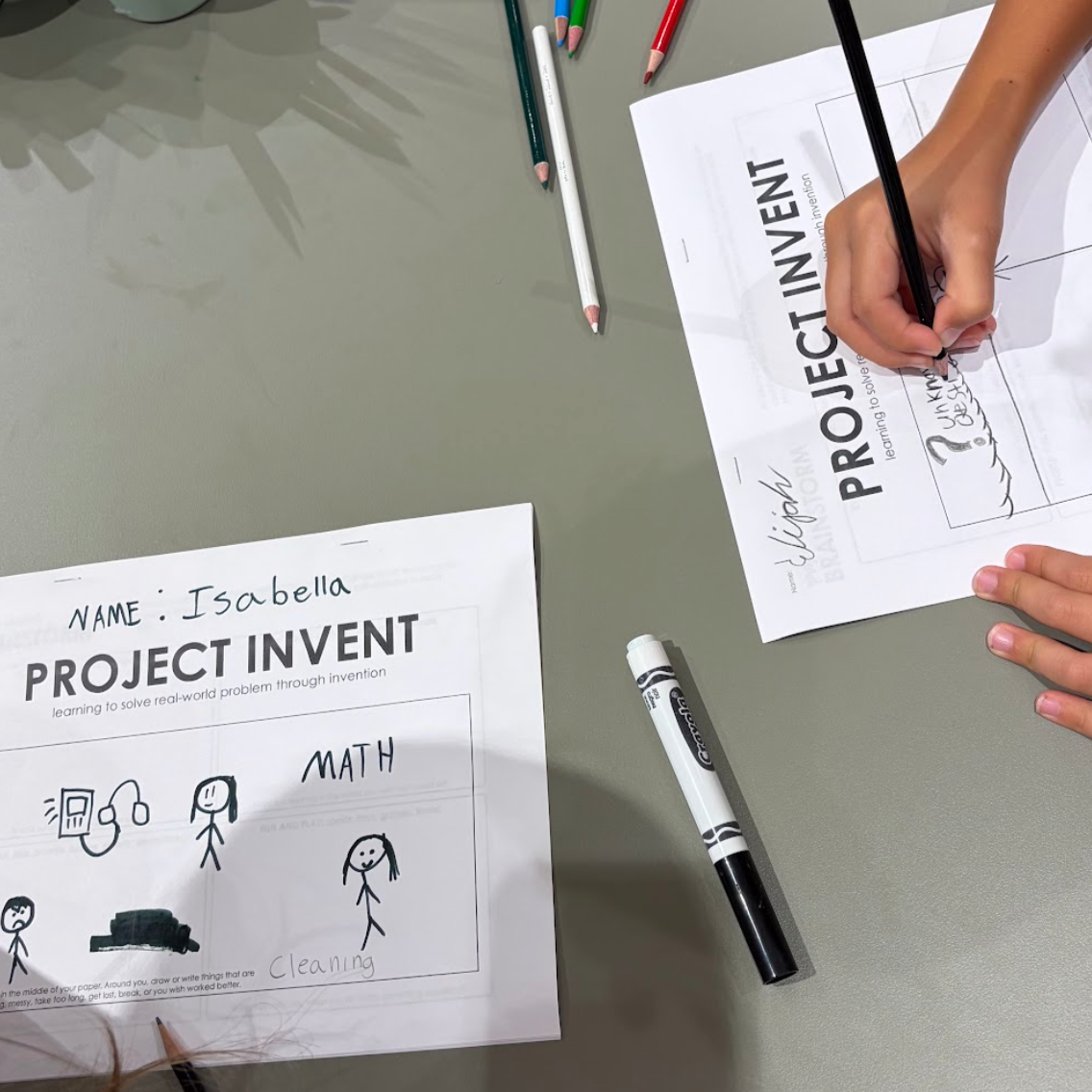
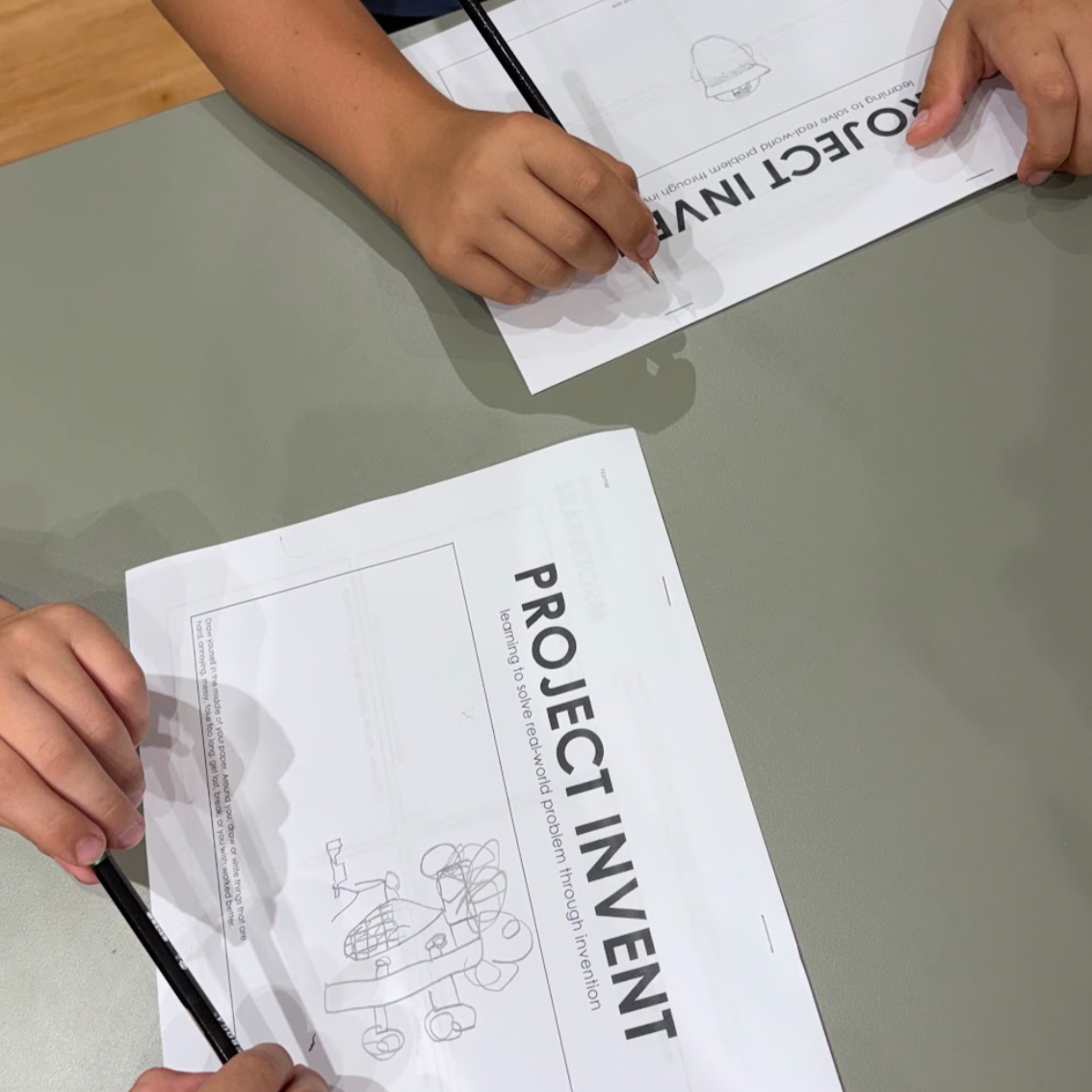
From there, students moved from problem to solution. They considered who experienced the problem, what could make it better, and what they could invent to help. Students used those needs to develop criteria for what their invention needed to do. Each student developed an idea and built a prototype of their invention, making design decisions and solving problems as their ideas became something they could see and test. As they built, students evaluated whether their prototype addressed the original problem and made adjustments when their design did not work as intended.
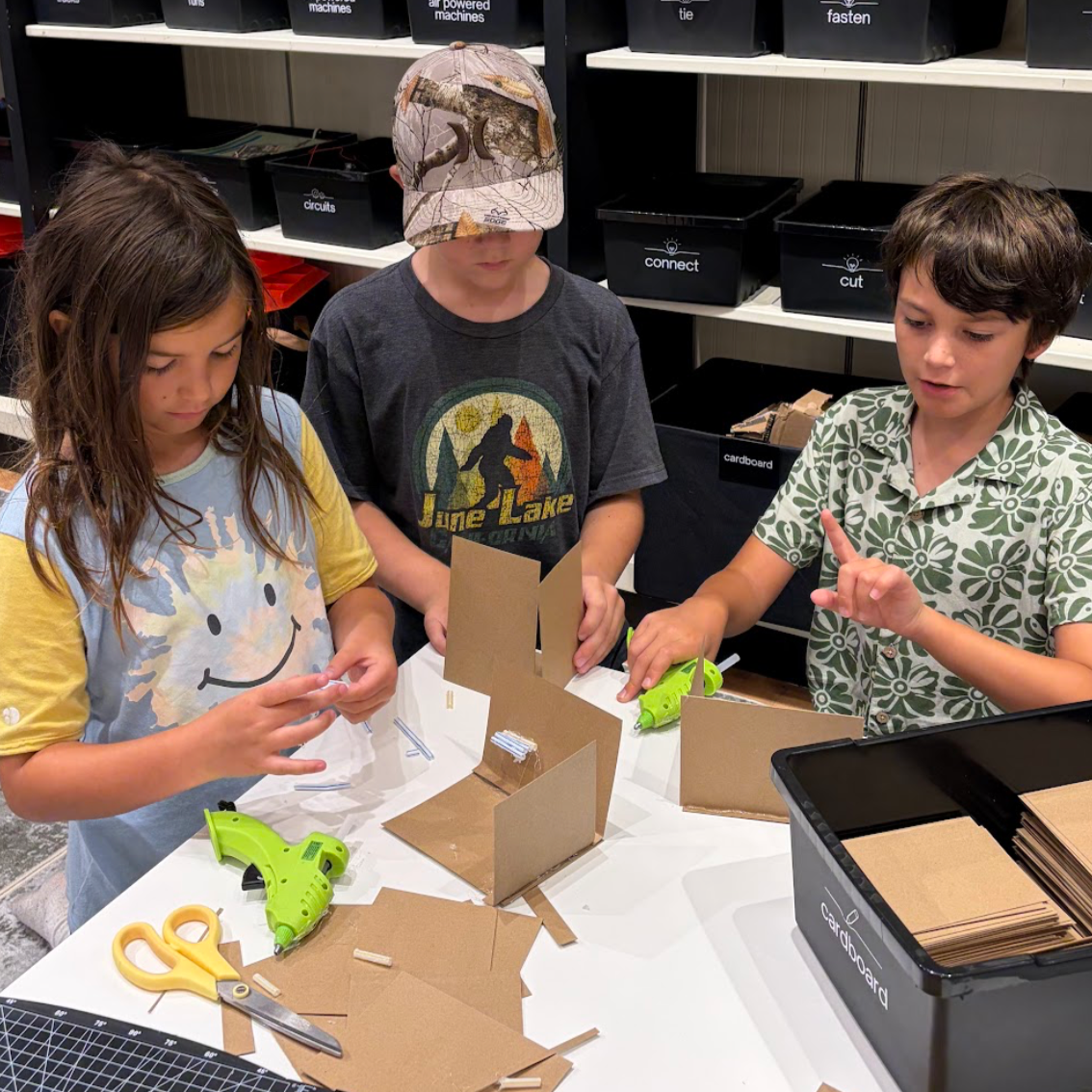
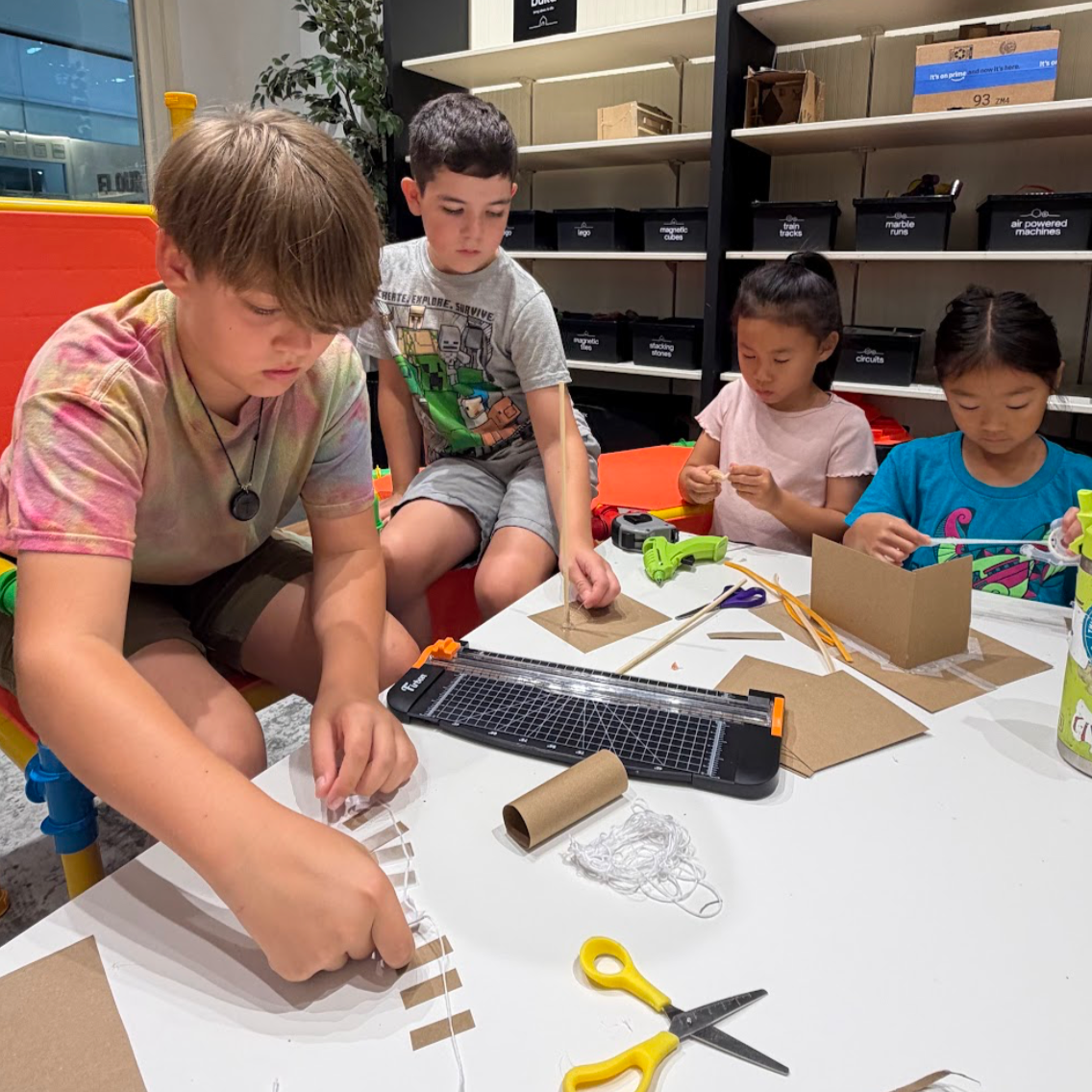
The project then connected their inventions to real-world math and entrepreneurship. Students calculated the cost of the materials used in their prototype and used that information to determine a price for their product. This required students to use their calculations as part of a larger decision rather than as an isolated math problem. Students also developed a brand around their invention, creating a product name, company name, logo, slogan, and advertisement to communicate what their invention did and why someone might need it.
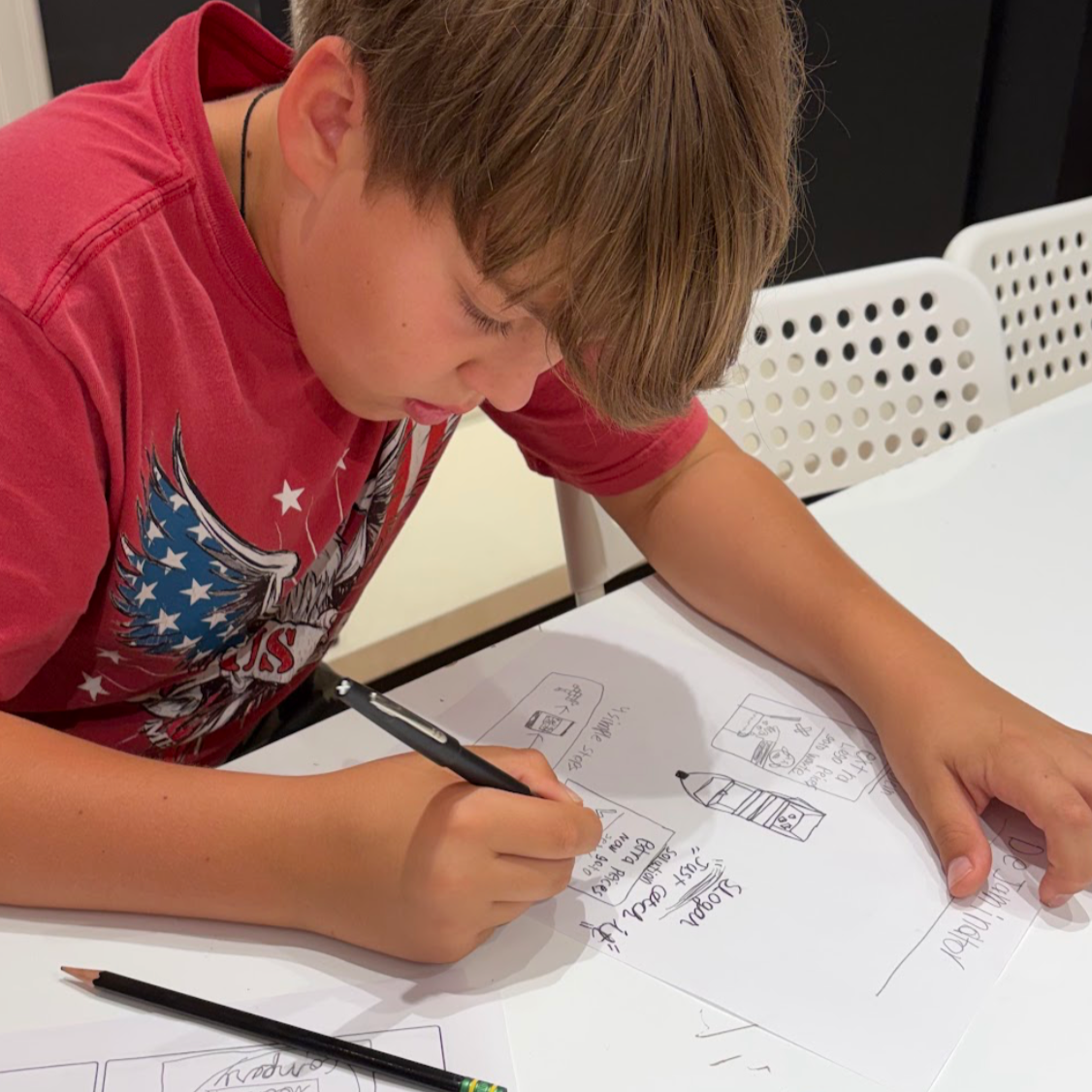
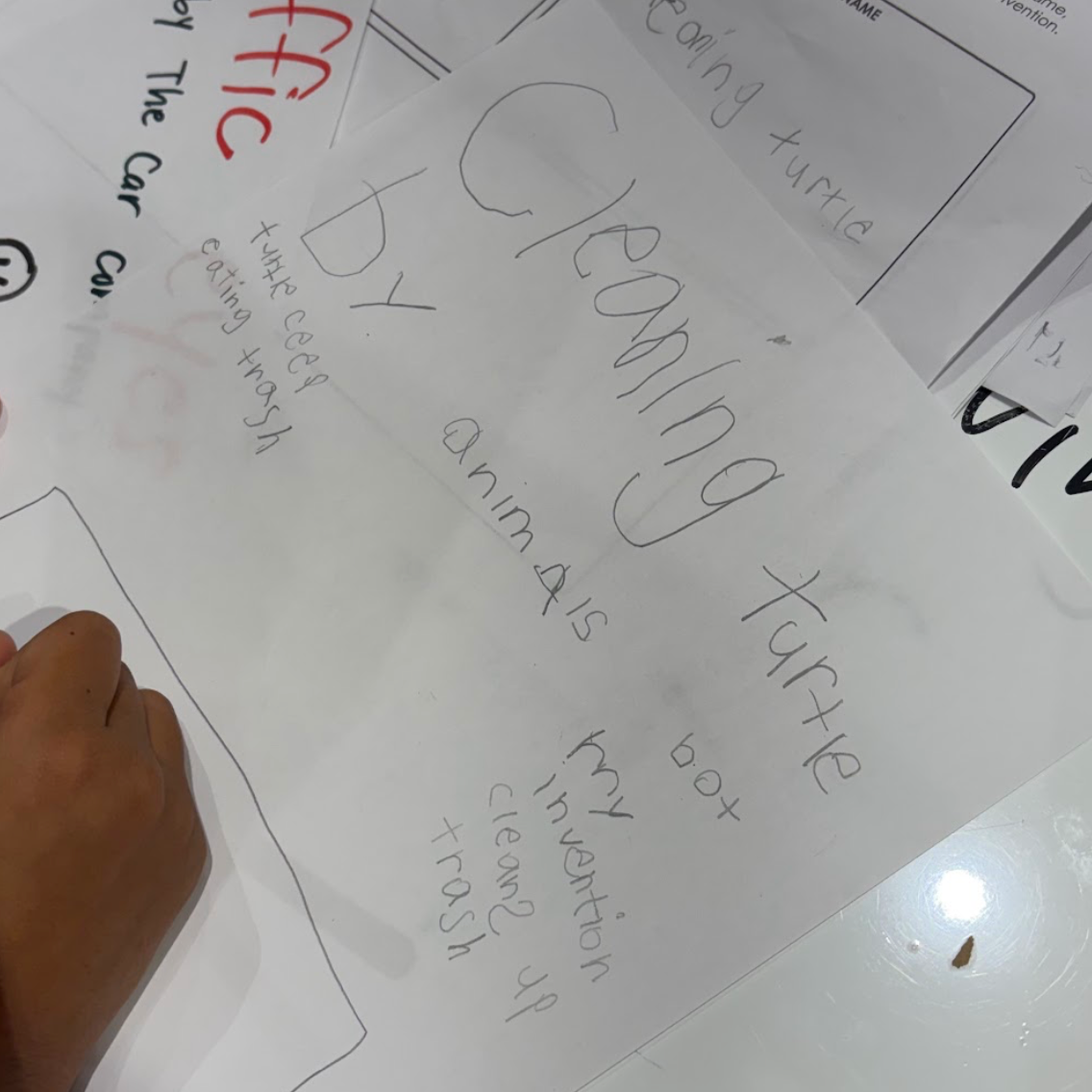
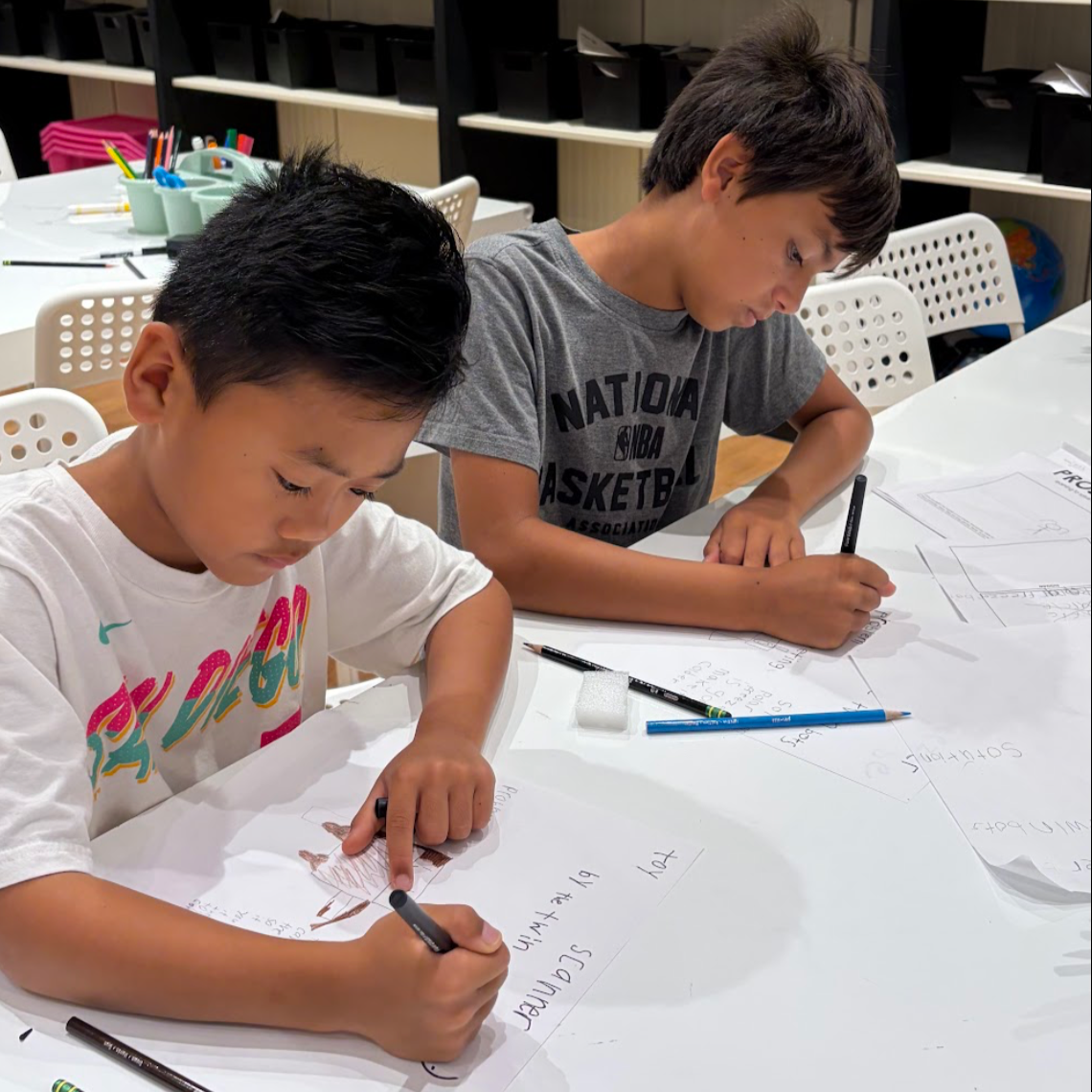
To close Project Invent, students presented their inventions and advertisements to their families during our showcase.
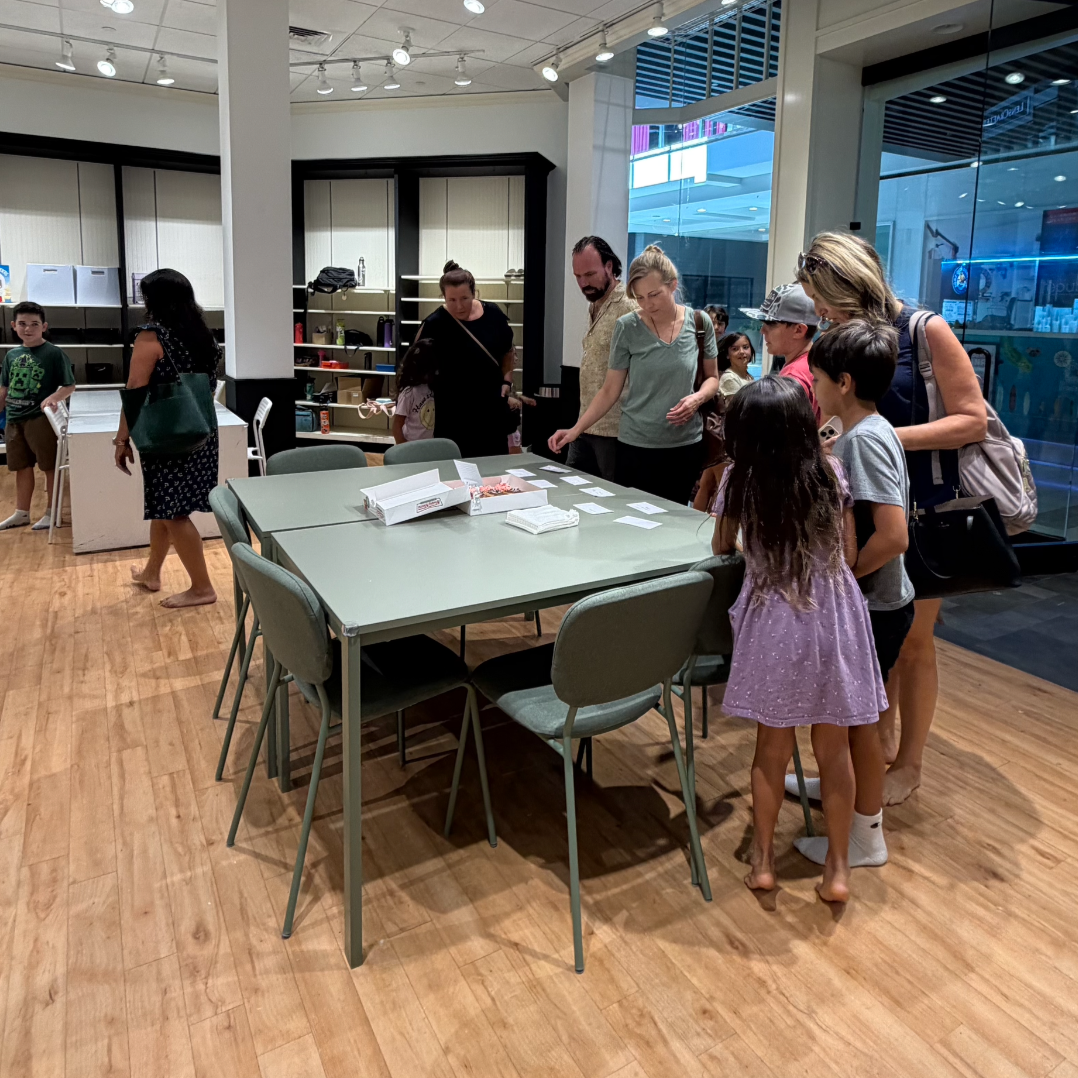
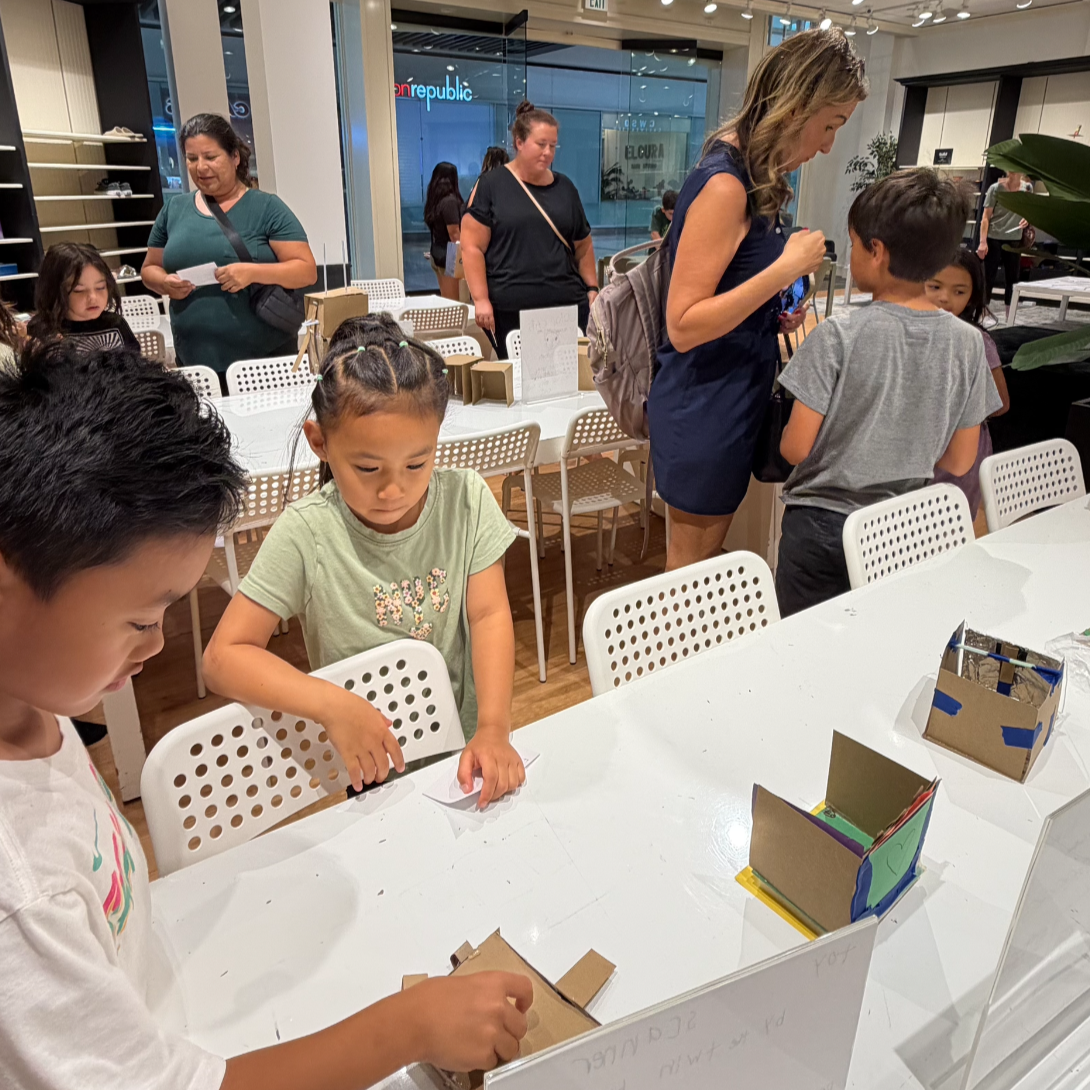
They explained the problem they identified, the solution they designed, and the thinking behind their final product. Presenting their work required students to connect their final invention back to the original problem and explain how their design addressed it.
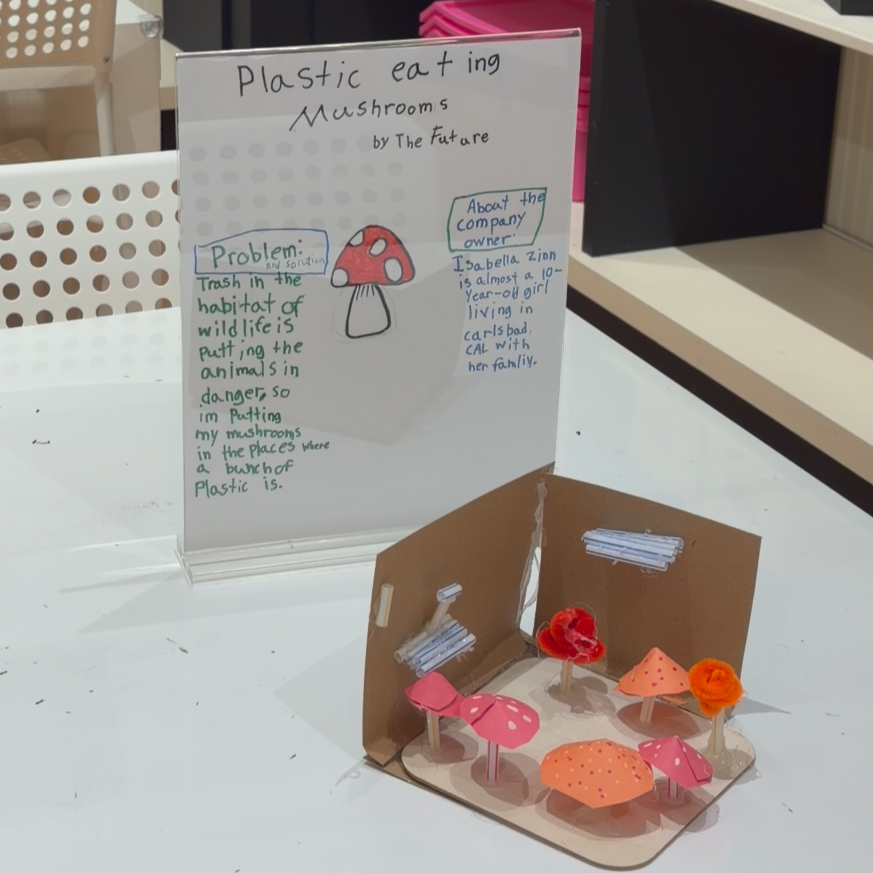
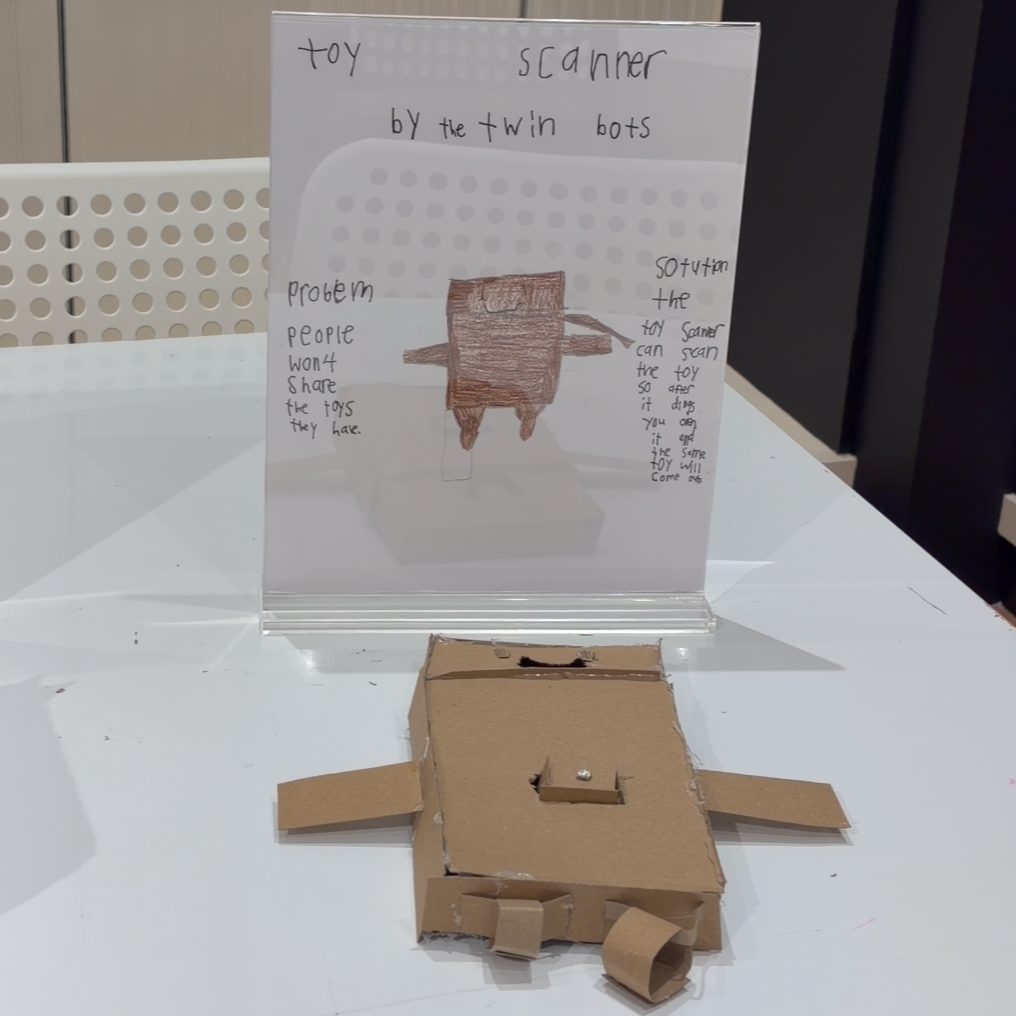
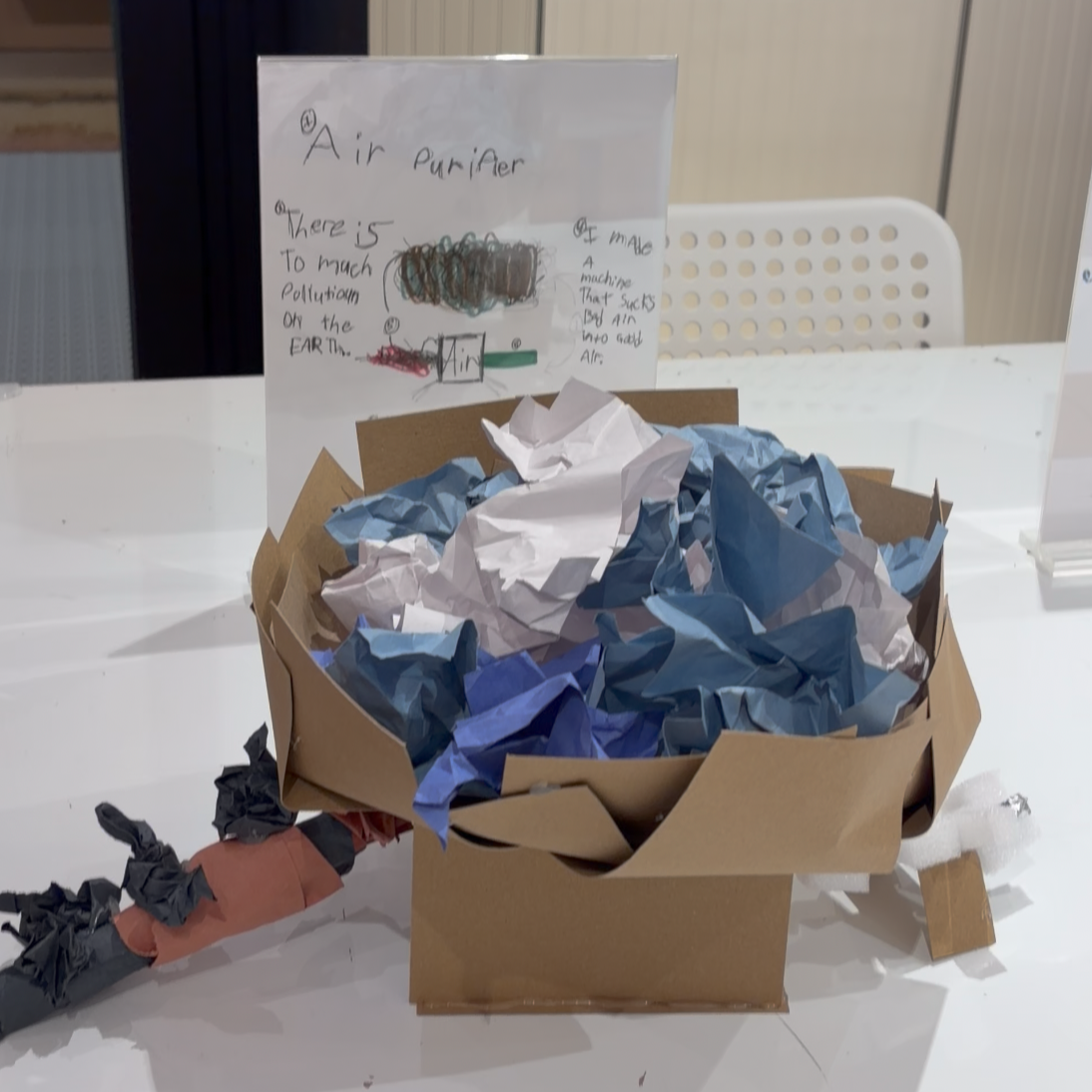
My hope is that students left Project Invent looking at problems differently. Not simply as things that are frustrating, but as opportunities to notice, think, and create something better.
If your child joined us, ask: What problem did your invention solve? How much did you decide to sell it for?
-Cristina